What Happens to My Skin During Dry January (No Alcohol)?

Bob Berendsen • January 6, 2025

What Happens to My Skin During Dry January (No Alcohol)?

What Happens to My Skin During Dry January (No Alcohol)? | Pine Belt Dermatology

For many individuals, participating in Dry January offers a chance to reset habits and embrace a healthier lifestyle. Giving up alcohol for a month can do wonders for your overall health, but it also leads to noticeable changes in your skin. 


If you’re considering this, it’s important to understand what happens to your skin when you remove alcohol from the equation and why this reset can bring long-lasting benefits.


How Alcohol Impacts the Skin

When you have a pause on alcohol, your skin gets the opportunity to heal, rejuvenate, and reveal its healthiest version. Understanding how Dry January transforms your skin goes beyond surface-level observations.


Here are some of the ways your alcohol habits can affect your skin:


Dehydration and Its Visible Effects

Alcohol acts as a diuretic, pulling water from your body and causing dehydration. This lack of moisture has immediate and visible consequences for your skin. Dehydrated skin loses its plumpness and elasticity, making fine lines and wrinkles more pronounced. 


Additionally, a dull, tired complexion often replaces the skin’s natural vibrancy. Hydration is the cornerstone of healthy, radiant skin, and by eliminating alcohol, your body is better able to retain water. This leads to noticeable improvements in your skin’s suppleness and glow.


Alcohol and Inflammation: The Hidden Enemy

Alcohol consumption triggers an inflammatory response within the body, which has significant effects on your skin. This inflammation can worsen existing skin conditions like acne, rosacea, and psoriasis while also contributing to puffiness, redness, and irritation. 


Moreover, it breaks down collagen, a key protein responsible for keeping skin firm and youthful, resulting in sagging and the formation of wrinkles. By removing alcohol from your system, inflammation is reduced, paving the way for clearer, calmer, and healthier-looking skin.


The Impact on Skin Nutrition

Alcohol can deplete the body of essential vitamins and nutrients that are vital for skin health. Key nutrients like vitamin A, which aids in skin repair and renewal, and vitamin C, which is necessary for collagen production and protection against free radicals, are significantly compromised. Additionally, zinc, which supports wound healing and reduces blemishes, is also depleted by frequent alcohol consumption.


A break from alcohol, such as during Dry January, allows your skin to replenish these vital nutrients, enhancing its ability to heal, renew, and protect itself. This restoration leads to stronger, more resilient, and healthier skin overall.


Week-by-Week Changes to Your Skin During Dry January

By cutting out alcohol, you give your body the chance to repair the damage caused to your skin. As you go on this journey, each week brings noticeable transformations to your skin, reflecting the progress your body is making beneath the surface. 


Here’s how your skin heals and thrives during this no-alcohol season:


Week 1: Rehydration Begins

In the first week, the skin starts to retain more moisture, resulting in noticeable improvements in texture and tone. Fine lines caused by dehydration begin to soften, and dry patches gradually fade away. To support your skin during this phase, increase your water intake and use a hydrating moisturizer to amplify the benefits of rehydration.


Week 2: Inflammation Subsides

The inflammatory effects of alcohol begin to diminish, leading to a reduction in redness and puffiness. Your skin starts to appear calmer and more evenly toned, while conditions may show signs of improvement. To further soothe your skin, incorporate skincare products with calming ingredients like aloe vera or chamomile.


Week 3: Detoxification in Full Swing

Your liver is functioning more efficiently, removing toxins from your body and contributing to healthier skin. As a result, breakouts and clogged pores become less frequent, revealing a clearer and brighter complexion. To support this detoxification process, consider gently exfoliating to slough away dead skin cells and uncover fresh, radiant skin.


Week 4: Collagen and Elasticity Rebound

Your body’s collagen production begins to improve, helping to restore the skin’s elasticity and firmness. Signs of aging, such as sagging and fine lines, become less noticeable, leaving your skin feeling tighter and more rejuvenated. To improve collagen synthesis, incorporate skincare products rich in peptides or retinol into your routine for long-term benefits.


Skin Conditions That Improve During Dry January

Your skin acts as a barrier, protecting your body from external threats while also reflecting your internal health. Alcohol can significantly impact skin health, contributing to various skin conditions. 


Here’s how stopping it can benefit some common skin conditions:


Acne

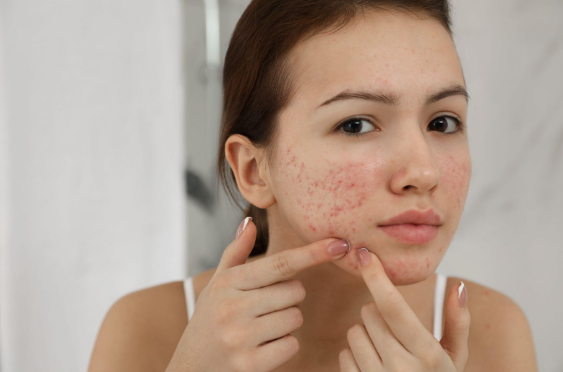
Alcohol can contribute to acne by increasing oil production and disrupting hormone levels, which can lead to clogged pores and inflammation. During periods of reduced alcohol consumption, such as Dry January, your skin experiences less oiliness and improved hydration, which helps reduce blemishes and promotes a smoother complexion.


Rosacea

Alcohol is a common trigger for rosacea flare-ups, leading to increased redness, irritation, and the appearance of visible blood vessels. Taking a break from alcohol can significantly reduce these symptoms, calming the skin and minimizing visible signs of it, leading to a clearer, more even complexion.


Psoriasis

Alcohol consumption can exacerbate this by triggering increased inflammation, which can worsen flare-ups and cause more severe scaling. By cutting back on alcohol, many people experience a reduction in psoriasis patches and scaling, allowing the skin to heal and become more manageable.


Hyperpigmentation

Alcohol can impact blood sugar levels, which may worsen hyperpigmentation and lead to dark spots. Reducing alcohol intake gives the skin an opportunity to repair itself, gradually lightening dark spots and promoting a more even skin tone. Additionally, certain treatments can help speed up this process and enhance skin radiance.


How Can You Personalize Your Dry January Results With Professional Services?

During these times, as your skin begins to respond positively to the absence of alcohol, it’s important to maximize those results with tailored dermatology care. Here’s how professional dermatology services can assist in improving your skin health during this season: 


Hydrafacial

These are an excellent treatment for boosting hydration and rejuvenating your skin. This non-invasive facial deeply cleanses, exfoliates, and infuses essential hydrating serums into your skin. The result is instantly radiant, refreshed, and thoroughly hydrated skin, making it a perfect treatment during this period to maintain your skin's health and glow.


Laser Treatments

This treatment effectively targets your skin inflammation, redness, and conditions like rosacea. The precision of these treatments helps to calm irritated skin and promote an even skin tone, especially as your skin detoxifies during Dry January. This advanced technology ensures long-lasting results, leaving your skin smoother and healthier.


Chemical Peels

When it comes to reversing the signs of aging caused by excessive alcohol consumption, chemical peels are the ideal solution. This procedure exfoliates the skin’s outer layer, revealing a fresh, youthful complexion beneath. By stimulating collagen production, chemical peels help reduce the appearance of fine lines, wrinkles, and uneven skin tone, allowing your skin to look firmer and more rejuvenated.


Customized Skincare Plans

Whether you are looking to target flare-ups, wrinkles, or overall skin restoration, a personalized regimen makes sure that you get the most effective treatments and products suited to your unique skin type. This plan will support your skin’s health throughout Dry January and beyond.


Preventative Care

This primarily focuses on proactive measures to maintain long-term skin health. Routine skin assessments and regular check-ups will help catch any emerging skin concerns early on. Preventative care allows for your skin to remain glowing, clear, and youthful, keeping you on track with your skincare goals and addressing any issues before they become visible problems.


Mohs Surgery

Mohs surgery is a highly precise procedure for removing skin cancer. It works by removing the cancerous tissue layer by layer while preserving as much healthy skin as possible. This technique has the highest cure rate for skin cancer and minimizes scarring, offering an effective solution for patients with specific types of skin cancer.


Botox and Dermal Fillers

For those looking to smooth fine lines and restore volume, Botox and dermal fillers are excellent options. These treatments are minimally invasive, providing quick results with little downtime. They help rejuvenate the skin by reducing the appearance of wrinkles and restoring a youthful look, all while enhancing facial contours and overall texture.


Acne Treatment

Effective acne treatment options target the root causes of breakouts, providing clear, healthy skin. With a range of therapies, including topical treatments, oral medications, and laser options, treatments can be tailored to individual needs. Whether dealing with occasional breakouts or chronic acne, these solutions are designed to give long-lasting, visible improvements in skin clarity.


Eczema and Psoriasis Treatment

For those with chronic skin conditions like eczema or psoriasis, customized treatments can help manage flare-ups and soothe irritated skin. Through a combination of prescription therapies, topical treatments, and specialized care, these conditions can be controlled, improving skin comfort and overall appearance.


Skin Cancer Screenings

Routine skin cancer screenings are essential for early detection and prevention. Regular check-ups allow dermatologists to monitor skin changes and identify potential issues before they become serious. Early intervention can significantly increase treatment success rates and offer healthier skin in the long term.

Want to explore more skin care options to care for your Dry January skin? We at
Pine Belt Dermatology offer you a personalized skincare consultation where you can feel your skin recover to look and feel its best before the season ends. Schedule an appointment with us today! 
August 28, 2026
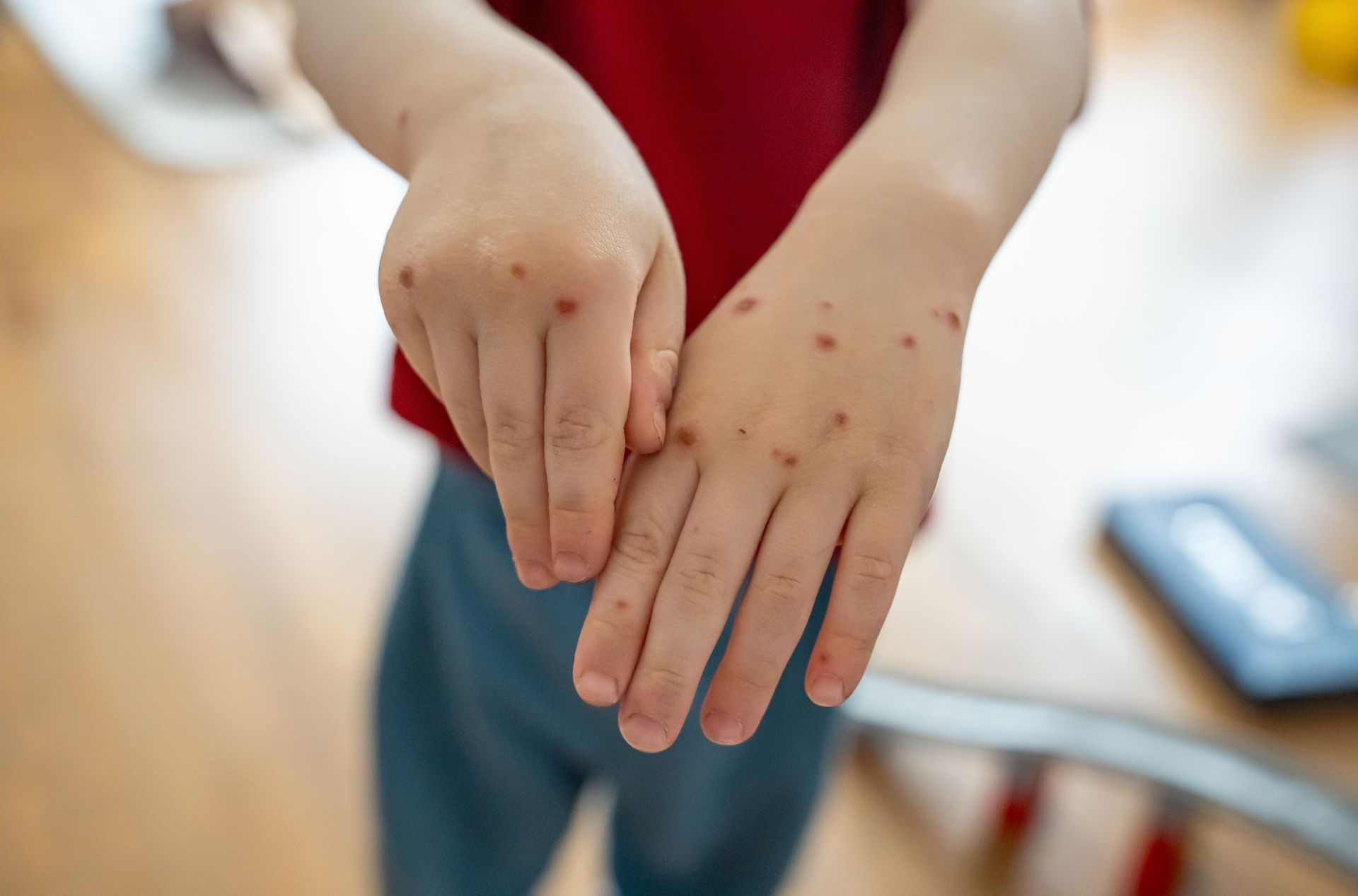
At Pine Belt Dermatology & Skin Cancer Center , we recognize that children may face different skin issues as they grow. Some conditions are temporary and manageable with basic skincare, while others require expert assessment. Recognizing common skin conditions helps parents and caregivers determine when to consult a dermatologist. Understanding your child’s skin health, including conditions like eczema, acne, warts, and rashes, is essential for their comfort and confidence. Common Skin Conditions in Children Children may develop many of the same skin conditions as adults, though their symptoms and treatment needs often differ. Common pediatric skin conditions include: Eczema: Often causes dry, itchy, red, or irritated patches of skin. Eczema can flare up because of weather, irritants, allergies, or other triggers. Acne: As children enter puberty, hormonal changes may lead to clogged pores, blackheads, whiteheads, and pimples. Warts: Caused by a viral infection, warts are common in children and often appear on the hands, fingers, feet, or around the nails. Molluscum contagiosum: This common childhood skin infection can cause small, raised bumps that may spread through skin-to-skin contact. Rashes: Children may develop rashes from allergies, infections, insect bites, medications, or contact with irritating substances. Birthmarks: Many birthmarks are harmless, but a medical professional should evaluate any changes in their appearance. While most childhood skin conditions are not serious, a medical professional should evaluate persistent or changing symptoms. When Should Your Child See a Dermatologist? Parents ought to schedule a dermatology appointment if a skin concern does not improve with basic care or begins to affect a child’s daily life. A dermatologist may be recommended if your child experiences: A persistent rash, itching, or skin irritation Eczema that frequently flares or does not respond to basic skincare Moderate or severe acne, particularly if it is painful or causing scarring Warts or other growths that continue to spread or return Skin infections that require treatment A changing, bleeding, or unusual mole or birthmark A skin condition that causes discomfort, embarrassment, or affects your child’s confidence A recurring skin problem without an obvious cause Early evaluation helps decipher the underlying cause and secures timely, appropriate treatment. Why Pediatric Dermatology Matters Children’s skin differs from adult skin and is often extra sensitive to certain products and treatments. Using inappropriate medications or skincare products may worsen irritation.  A dermatologist can evaluate your child’s symptoms, determine whether a condition requires treatment, and recommend options appropriate for their age and skin type. Specialist support can also help parents understand how to handle chronic conditions and reduce future flare-ups. Supporting Healthy Skin at Home Consistent daily skincare helps protect your child’s skin. Use gentle, fragrance-free products, moisturize regularly, avoid known irritants, and encourage children not to scratch irritated areas to maintain a healthy skin barrier. However, home care may not always be sufficient. If symptoms persist, worsen, or cause significant discomfort, seek expert evaluation for guidance and reassurance. Healthy Skin Starts Early Many childhood skin conditions are manageable when identified early. Knowing when to seek professional care for eczema, acne, warts, recurring rashes, or other concerns can make a big difference. At Pine Belt Dermatology & Skin Cancer Center , we provide comprehensive dermatology care for patients of all ages. If your child has a persistent, changing, or concerning skin condition, our team can identify the cause and develop a treatment plan to support healthy skin.
July 31, 2026
At Pine Belt Dermatology & Skin Cancer Center , we understand that selecting the right skincare products can be challenging. While many over-the-counter (OTC) options promise results, not all skin concerns can be addressed with these products. Knowing the difference between OTC and prescription treatments helps you make educated decisions and recognize when to seek professional care. If you are treating acne, eczema, rosacea, or signs of aging, upgrading your treatment plan at the right time can improve your skin health and confidence. Understanding Over-the-Counter Skin Treatments Over-the-counter skincare products are available without a prescription and are intended for mild to moderate skin concerns. When used consistently, many contain ingredients that help maintain healthy skin. Common OTC ingredients include: Salicylic acid for acne Benzoyl peroxide to reduce acne-causing bacteria Retinol for fine lines and uneven texture Hydrocortisone cream for minor itching and irritation Moisturizers with ceramides or hyaluronic acid to heal the skin barrier These products are a good starting point for mild conditions. However, because OTC treatments use lower-strength active ingredients, they may not be effective for chronic or serious skin issues. When Prescription Skin Treatments May Be Necessary Prescription treatments use stronger active ingredients and are customized to your specific skin condition. A dermatologist can diagnose the underlying cause and recommend medications that address the problem more effectively than OTC products. Prescription treatments may include: Oral medications for moderate to severe acne Prescription-strength retinoids Medications to manage eczema or psoriasis Treatments for rosacea and chronic redne Prescription creams for hyperpigmentation or melasma Antifungal or antibacterial medications for skin infections These therapies are chosen based on your medical history, skin type, and treatment goals to maximize results and minimize side effects. Time to Upgrade Your Treatment While many start with OTC products, some situations require a dermatology appointment. Consider seeing a dermatologist if: Your skin condition has not improved after several weeks of steady OTC treatment. Acne is causing painful cysts, nodules, or permanent scarring. Rashes, redness, or irritation continue to worsen. You experience frequent flare-ups of eczema, psoriasis, or rosacea. You notice new or changing skin growths or unusual spots. Your skin concern is affecting your confidence or quality of life. Early treatment has the potential to prevent conditions from getting worse and minimize the chances of long-term skin damage. Why Professional Assessment Matters Many skin conditions look similar, making self-diagnosis challenging. For example, stubborn acne may be rosacea, and chronic dry patches could indicate eczema, psoriasis, or another condition. A board-certified dermatologist can accurately diagnose your skin concern and develop a customized treatment plan. Professional guidance also helps you avoid spending time and money on ineffective products. Healthy Skin Starts with the Right Treatment Over-the-counter products are important for daily skincare, but they may not treat complex or persistent concerns. Transitioning to prescription treatment at the right time can greatly improve your skin’s appearance and long-term health. At Pine Belt Dermatology & Skin Cancer Center , our team offers complete evaluations and customized treatment plans for acne, eczema, rosacea, hyperpigmentation, skin cancer screenings, and other skin conditions. If your current skincare routine is not resulting in success, we are here to help you achieve healthier, more confident skin. 
June 29, 2026
At Pine Belt Dermatology & Skin Cancer Center, we believe education is key to protecting and maintaining healthy skin. July is significant for skin health, featuring both UV Safety Awareness Month and World Skin Health Day on July 8 . These occasions highlight the importance of sun protection and raise awareness of common concerns, such as hyperpigmentation and melasma . Understanding how ultraviolet (UV) exposure affects your skin helps prevent long-term damage and supports a healthier, more even complexion. Why UV Protection Matters The sun emits ultraviolet rays that can damage skin even on cloudy days. While many associate UV exposure with sunburn, its effects are broader. Repeated UV exposure accelerates skin aging, increases skin cancer risk, and contributes to pigmentation disorders. Common effects of excessive UV exposure include: • Sunburn and skin irritation • Premature aging, including fine lines and wrinkles • Dark spots and uneven skin tone • Increased risk of skin cancer • Worsening of hyperpigmentation and melasma Daily sun protection is one of the most effective ways to maintain healthy skin and reduce preventable damage. What Is Hyperpigmentation? Hyperpigmentation is a common condition where areas of skin become darker than the surrounding tissue due to excess melanin production. Multiple factors can contribute to hyperpigmentation, including: • Sun exposure • Acne scars and inflammation • Hormonal changes • Skin injuries or irritation • Certain medications While hyperpigmentation is mostly harmless, many seek treatment to improve skin tone as well as restore confidence. Understanding Melasma Melasma is a type of hyperpigmentation that shows up as brown or gray-brown patches, typically on the cheeks, forehead, nose, and upper lip. Melasma is frequently associated with: • Hormone changes during pregnancy • Birth control medications • Hormone replacement therapy • Genetic predisposition • Sun exposure Although melasma is not dangerous, it can be difficult to treat because UV exposure frequently triggers or worsens it. Even minimal sun exposure can increase pigment production and make discoloration more noticeable. Protecting Your Skin from UV Damage Whether you are concerned about skin cancer, hyperpigmentation, or melasma, daily sun protection is essential. Dermatologists suggest: • Using sun lotion with SPF 30 or higher every day • Reapplying sunscreen every two hours when outdoors • Wearing wide-brimmed hats and protective clothing • Seeking shade during peak sunlight hours • Wearing UV-protective sunglasses • Avoiding tanning beds Consistent sun protection helps prevent new pigmentation issues. World Skin Health Day: A Reminder to Prioritize Skin Care Observed annually on July 8, World Skin Health Day encourages preventive steps to maintain healthy skin. This is a reminder to perform regular self-exams, schedule dermatology visits, and address concerns early. If you notice persistent dark spots, changes in pigmentation, or new skin lesions, seek an expert assessment to determine the cause and identify treatment options. Supporting Healthy Skin Year-Round UV Safety Awareness Month and World Skin Health Day remind us that protecting your skin is an investment in long-term health. Practicing sun safety and understanding conditions like hyperpigmentation and melasma help preserve your skin’s health, appearance, and function. At Pine Belt Dermatology & Skin Cancer Center, our team provides personalized evaluations and treatments for pigmentation concerns, sun-damaged skin, and overall skin health. Plan a visit and learn how we can help you achieve healthier, more confident skin.
Winter Skin Care vs. Summer Skin Care: What Changes?
June 1, 2026
At Pine Belt Dermatology & Skin Cancer Center, we understand that your skin’s needs change with the seasons. What works during the cold, dry winter months may not...
Nail Health: What Your Nails Say About Your Skin and Body
May 1, 2026
At Pine Belt Dermatology & Skin Cancer Center, we believe your nails are more than a cosmetic feature—they give valuable insight into...
April 13, 2026
When a ‘Rash’ Might Be Something More Serious At Pine Belt Dermatology & Skin Cancer Center, we recognize that rashes are common and frequently resolve quickly with minimal treatment. However, some rashes may signify underlying conditions that require prompt medical attention. Identifying when a rash is more than a minor irritation is key to protecting your health. Comprehending Common vs. Concerning Rashes Most everyday rashes result from irritants, allergies, heat, or minor infections and typically improve within a few days with over-the-counter treatments. However, if a rash lasts longer, worsens, or appears with other symptoms, it may signal a more serious issue. Identifying the difference between a routine rash and one that requires medical evaluation helps avoid complications and ensure appropriate care. Warning Signs to Watch For Certain features may indicate a rash requires clinical assessment, including: Rapidly spreading or worsening rash Severe pain, swelling, or blistering Signs of infection such as pus, warmth, or red streaks Fever or flu-like symptoms accompanying the rash A rash that does not improve after several days of treatment Dark, purple, or bruised-looking areas on the skin For example, a rash with fever may indicate a viral or bacterial infection, whereas painful blistering can suggest conditions such as shingles. In rare cases, rashes may signal autoimmune disorders or severe allergic reactions. Rashes That May Point to Underlying Conditions Some rashes may be linked to broader health concerns, including conditions that cause inflammation in the skin and other organs: Allergic reactions that may escalate into further severe responses Infections that spread beyond the skin if untreated Medication reactions that require immediate adjustment Persistent or unusual skin changes may be early signs of skin cancer or precancerous conditions, especially if they do not heal or continue to change over time. Why Early Evaluation Matters Delaying care for a worrisome rash may allow the underlying condition to progress. Early diagnosis improves treatment outcomes and helps prevent discomfort and complications. A dermatology specialist can assess the rash’s appearance, location, and progression, and may recommend diagnostic tests if needed. This approach assures treatment addresses the underlying cause, not just the visible symptoms. When to See a Dermatology Specialist If you are unsure about your rash, it is best to err on the side of caution. Consider seeking care if: The rash is persistent, painful, or unusual in appearance Over-the-counter treatments are not effective You experience additional symptoms such as fever or fatigue The rash interferes with your daily comfort or quality of life At Pine Belt Dermatology & Skin Cancer Center, our experienced providers supply comprehensive skin evaluations and customized treatment plans. We take time to understand your symptoms and deliver clear, effective solutions tailored to your needs. Protecting Your Skin and Your Health While many rashes are minor, some may be early warning signs of more serious health concerns. Monitoring skin changes and pursuing prompt medical advice can produce a notable effect. If you notice a rash that does not seem right, do not ignore it. Schedule a consultation with Pine Belt Dermatology & Skin Cancer Center for expert evaluation and peace of mind. Your skin is an important indicator of your overall health, and taking it seriously supports ongoing well-being.
The Link Between Stress & Skin Conditions | Pine Belt Dermatolog
By Bob Berendsen March 1, 2026
At Pine Belt Dermatology & Skin Cancer Center, we know that healthy skin is affected by more than just external care—it’s related to your overall health...
UV Light Therapy for Scalp Psoriasis | Pine Belt Dermatology
By Bob Berendsen February 5, 2026
Here’s how UV light therapy works, why it is useful for scalp psoriasis during winter, what to expect from treatment, and how to use it safely.
Dermatologist-Approved Tips for Safe and Effective Skincare | Pine Belt Dermatology
By Bob Berendsen January 1, 2026
A truly effective skincare routine should be tailored to your needs, protect your natural barrier, and target concerns with proven ingredients.
Psoriasis During the Winter Season | Pine Belt
By Bob Berendsen December 2, 2025
The cold, dry air outside combined with indoor heating can strip away your skin’s natural moisture, leaving it tight, flaky, and more vulnerable to irritation.