The Link Between Stress & Skin Conditions

At Pine Belt Dermatology & Skin Cancer Center, we know that healthy skin is affected by more than just external care—it’s related to your overall health, and notably how your body responds to stress. While stress here and there is a typical part of life, chronic stress can take a visible toll on your skin, triggering or worsening a plethora of dermatologic issues.
Understanding the Skin-Stress Connection
Your skin and nervous system are very connected. When you get stressed, your body releases hormones like cortisol, which can trigger inflammation, increased oil production, and skin sensitivity. Over time, these changes can alter the skin’s natural barrier, making it easier to get irritated and flare up.
Research shows that stress not just affects how your skin looks, but also how it functions. It affects immune responses and skin cell behavior, which could lead to serious skin issues.
Common Skin Conditions Triggered by Stress
Many patients are shocked to know how frequently stress plays a role in their skin concerns. Some of the most common results linked to stress are:
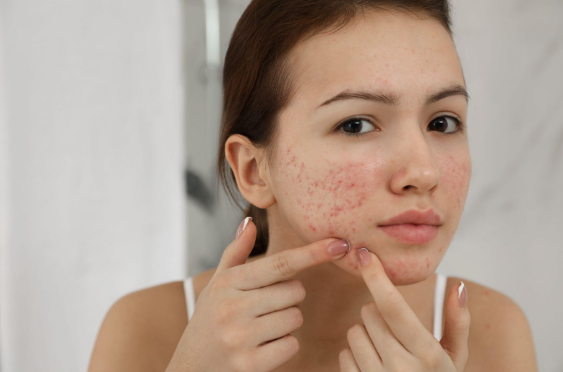
- Acne: Stress can increase oil production, which clogs pores and causes breakouts that may be more inflamed and take time to heal.
- Eczema (Atopic Dermatitis): Flare-ups often happen during times of emotional or physical stress, causing redness, itching, and irritation.
- Psoriasis: Stress is a common cause that can worsen symptoms or even trigger initial outbreaks in some people.
- Hair Loss: Conditions like telogen effluvium and alopecia areata are known to be associated with increased stress levels.
Studies also show that individuals experiencing higher stress levels suffer more severe skin symptoms overall, thus proving the strong link between mental and skin well-being.
Breaking the Cycle of Stress and Skin Flare-Ups
One of the struggles with stress-related skin issues is the cycle they build. Skin flare-ups lead to frustration or self-consciousness, which increases stress worsening symptoms. To break this cycle, a comprehensive approach that addresses skin health and overall well-being is required.
Pine Belt Dermatology & Skin Cancer Center takes a patient-focused approach to care. Treatment plans may include:
- Medical therapies designed to address specific skin conditions
- Advice on gentle skincare routines to enhance the skin barrier
- Lifestyle suggestions to help manage stress, like better sleep, hydration, and relaxation methods
When to See a Dermatology Specialist
If your skin worsens during stressful times or doesn’t respond to over-the-counter medications, it is time to seek care from a physician. Early evaluation can help define underlying causes and stop symptoms from becoming serious.
Our experienced professionals are here to help you understand the link between stress and your skin. We create effective, individualized solutions to improve both your skin’s health and your confidence.
Supporting Healthier Skin from the Inside Out
Stress management is vital for ensuring healthy skin. With top-notch dermatologic care and mindful lifestyle choices, the reduction of flare-ups is just around the corner.
If you’re dealing with constant skin concerns, schedule a consultation with Pine Belt Dermatology & Skin Cancer Center today. Healthier skin starts with knowing your body and taking the right steps toward balance and care.