Nail Health: What Your Nails Say About Your Skin and Body
Nail Health: What Your Nails Say About Your Skin and Body
At Pine Belt Dermatology & Skin Cancer Center, we believe your nails are more than a cosmetic feature—they give valuable insight into your overall health. Like your skin, your nails reflect what’s happening inside your body. Changes in color, texture, or growth patterns can denote underlying conditions, nutritional deficiencies, or dermatologic concerns that shouldn’t be ignored.
Understanding the Nail-Body Connection
Your nails are made of keratin, the same protein found in your skin and hair. Nail health is closely tied to your body’s internal balance and your skin’s condition. When something is off—stress, illness, or deficiency—your nails may be one of the first places it shows.
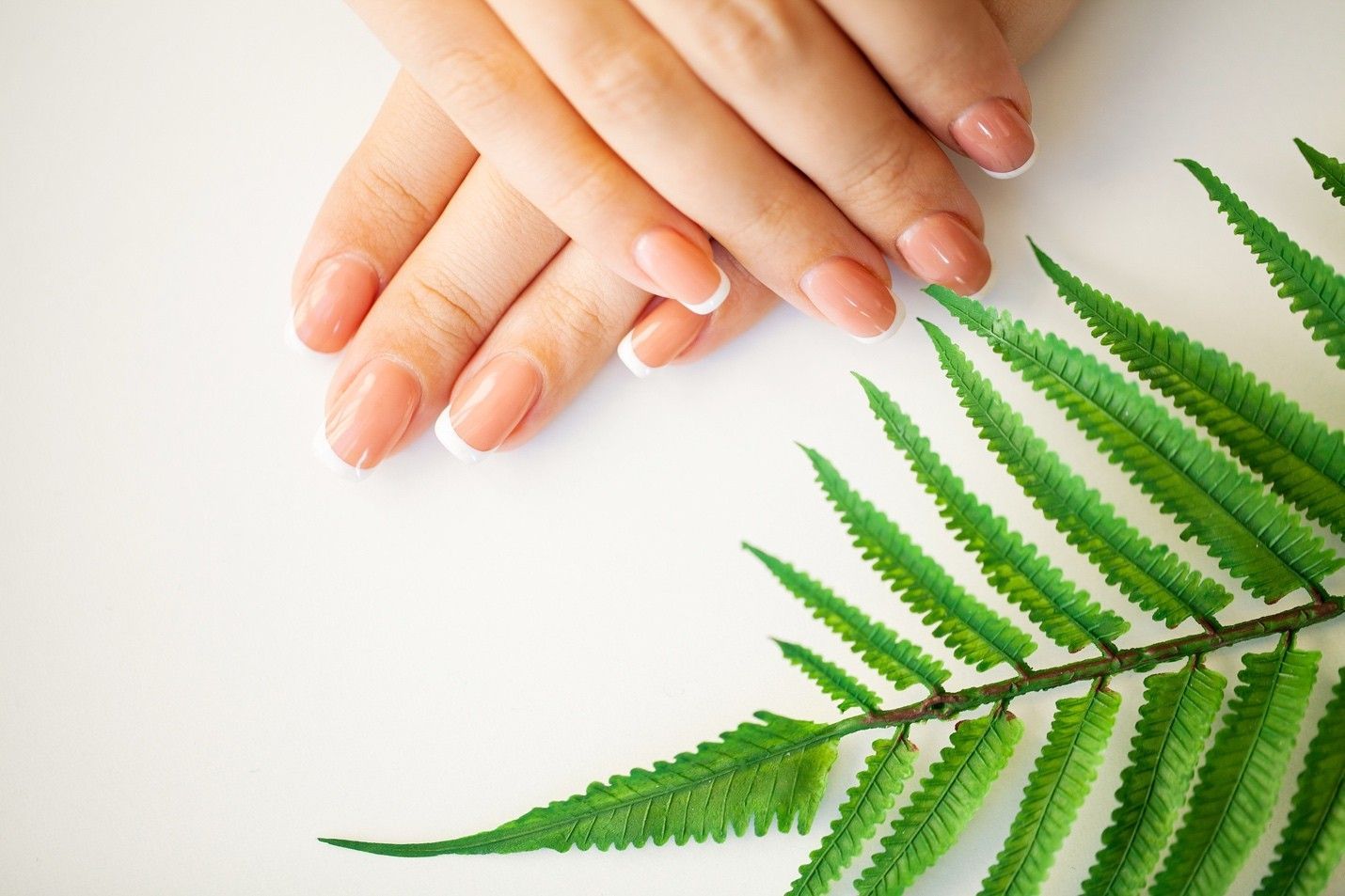
Healthy nails are smooth, strong, and consistent in color. When you notice ridges, discoloration, brittleness, or changes in thickness, it may be your body signaling that something needs attention.
Common Nail Changes and What They May Mean
Many people experience nail issues, but understanding what these changes indicate is key to keeping nail and overall health.
- Brittle or Cracked Nails: Frequently associated with dryness or consistent exposure to water and harsh chemicals, but can also indicate deficiencies in vitamins like biotin.
- Yellowing Nails: This may be caused by fungal infections, smoking, or even certain medical conditions.
- White Spots or Lines: While commonly due to minor trauma, regular appearances may indicate dietary imbalances.
- Ridges (Vertical or Horizontal): Vertical ridges are often a normal part of aging, while horizontal ridges (Beau’s lines) may signal illness, stress, or interruptions in nail growth.
- Thickened or Clubbed Nails: These changes can sometimes be associated with primary health conditions affecting oxygen levels or circulation.
The Link Between Nail Health and Skin Conditions
Just as stress and inflammation can impact your skin, they can also affect your nails. Conditions like psoriasis and eczema don’t only appear on the skin—they can also cause nail pitting, discoloration, or separation from the nail bed. Fungal infections, which commonly affect nails, may also spread to surrounding skin if left untreated.
Additionally, chronic skin conditions often weaken the protective barrier of both the skin and nails, rendering them more susceptible to discomfort and infection.
Caring for Your Nails from the Inside Out
Maintaining healthy nails involves more than routine grooming. A complete approach supporting your general well-being is essential. Simple but efficient strategies include:
- Keeping nails clean and moisturized
- Avoiding harsh chemicals and prolonged water exposure
- Eating a nutritious diet abundant in vitamins and minerals
- Managing stress, which might impact both nail and skin health
- Practicing good nail hygiene to prevent infections
At Pine Belt Dermatology & Skin Cancer Center, we emphasize bespoke care. Our team may recommend specific treatments, topical therapies, or lifestyle alterations based on your particular concerns.
When to See a Dermatology Specialist
If you notice constant or serious changes in your nails—such as discoloration, pain, separation, or sudden growth changes—it’s important to seek medical assessment. These symptoms can indicate infections or underlying health problems that require medical attention.
Early diagnosis and treatment can prevent serious issues and restore nail health and appearance.
Supporting Healthy Nails and Skin Together
Your nails are a reflection of your total health, just like your skin. By paying attention to subtle changes and taking a preemptive approach to care, you can support both from the inside out.
If you’re experiencing ongoing nail concerns or want professional advice, schedule a consultation with Pine Belt Dermatology & Skin Cancer Center today. Healthy nails—and healthy skin—start with understanding your body and giving it the attention it merits.