When a ‘Rash’ Might Be Something More Serious

When a ‘Rash’ Might Be Something More Serious
At Pine Belt Dermatology & Skin Cancer Center, we recognize that rashes are common and frequently resolve quickly with minimal treatment. However, some rashes may signify underlying conditions that require prompt medical attention. Identifying when a rash is more than a minor irritation is key to protecting your health.
Comprehending Common vs. Concerning Rashes
Most everyday rashes result from irritants, allergies, heat, or minor infections and typically improve within a few days with over-the-counter treatments. However, if a rash lasts longer, worsens, or appears with other symptoms, it may signal a more serious issue.
Identifying the difference between a routine rash and one that requires medical evaluation helps avoid complications and ensure appropriate care.
Warning Signs to Watch For
Certain features may indicate a rash requires clinical assessment, including:
- Rapidly spreading or worsening rash
- Severe pain, swelling, or blistering
- Signs of infection such as pus, warmth, or red streaks
- Fever or flu-like symptoms accompanying the rash
- A rash that does not improve after several days of treatment
- Dark, purple, or bruised-looking areas on the skin
For example, a rash with fever may indicate a viral or bacterial infection, whereas painful blistering can suggest conditions such as shingles. In rare cases, rashes may signal autoimmune disorders or severe allergic reactions.
Rashes That May Point to Underlying Conditions
Some rashes may be linked to broader health concerns, including conditions that cause inflammation in the skin and other organs:
- Allergic reactions that may escalate into further severe responses
- Infections that spread beyond the skin if untreated
- Medication reactions that require immediate adjustment
Persistent or unusual skin changes may be early signs of skin cancer or precancerous conditions, especially if they do not heal or continue to change over time.
Why Early Evaluation Matters
Delaying care for a worrisome rash may allow the underlying condition to progress. Early diagnosis improves treatment outcomes and helps prevent discomfort and complications.
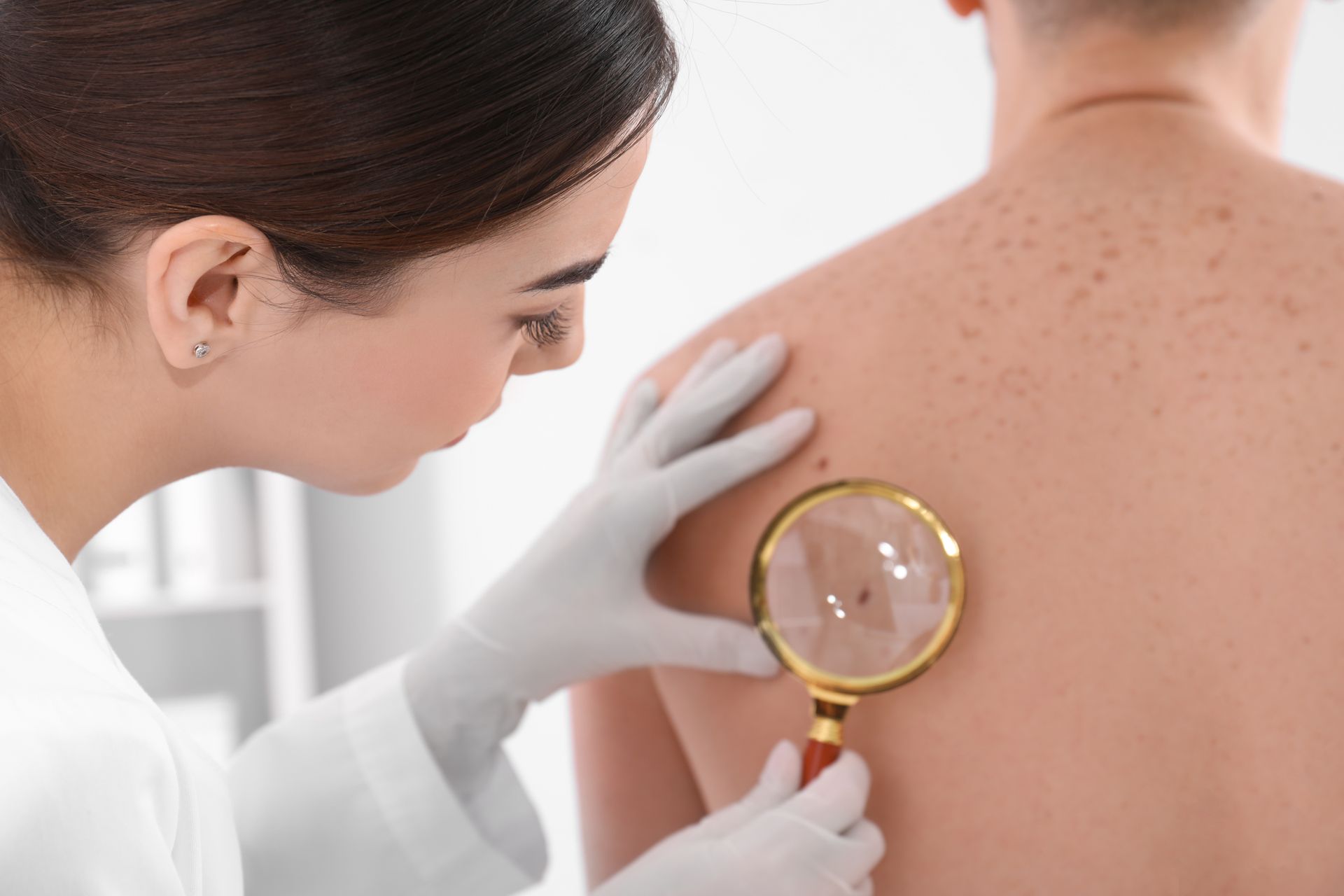
A dermatology specialist can assess the rash’s appearance, location, and progression, and may recommend diagnostic tests if needed. This approach assures treatment addresses the underlying cause, not just the visible symptoms.
When to See a Dermatology Specialist
If you are unsure about your rash, it is best to err on the side of caution. Consider seeking care if:
- The rash is persistent, painful, or unusual in appearance
- Over-the-counter treatments are not effective
- You experience additional symptoms such as fever or fatigue
- The rash interferes with your daily comfort or quality of life
At Pine Belt Dermatology & Skin Cancer Center, our experienced providers supply comprehensive skin evaluations and customized treatment plans. We take time to understand your symptoms and deliver clear, effective solutions tailored to your needs.
Protecting Your Skin and Your Health
While many rashes are minor, some may be early warning signs of more serious health concerns. Monitoring skin changes and pursuing prompt medical advice can produce a notable effect.
If you notice a rash that does not seem right, do not ignore it. Schedule a consultation with Pine Belt Dermatology & Skin Cancer Center for expert evaluation and peace of mind. Your skin is an important indicator of your overall health, and taking it seriously supports ongoing well-being.