Managing Rosacea, Eczema, and Psoriasis During the Winter Season
Managing Rosacea, Eczema, and Psoriasis During the Winter Season
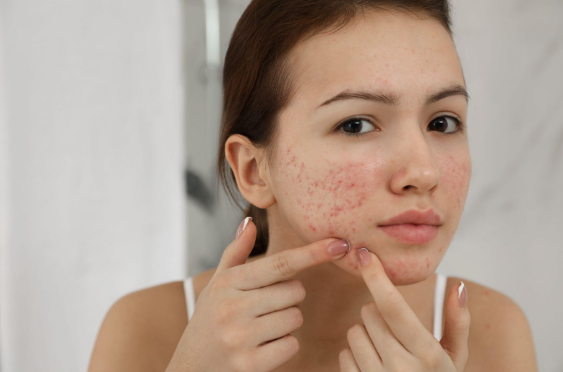
Winter often feels like a welcome relief from the intense summer heat, but for your skin, it can be a tough season. The cold, dry air outside combined with indoor heating can strip away your skin’s natural moisture, leaving it tight, flaky, and more vulnerable to irritation. For anyone living with rosacea, eczema, or psoriasis, these environmental shifts can trigger flare-ups that are uncomfortable, itchy, and difficult to manage.
By understanding what causes these seasonal changes and adjusting your skincare approach, you can enjoy the season with healthier, calmer skin.
Understanding Why Winter Worsens Skin Conditions
The outer layer of your skin, called the stratum corneum, acts as a protective barrier that locks in moisture and keeps irritants out. When humidity drops in winter, this barrier loses water content and becomes weaker. The cold air outside, combined with dry indoor heat, draws moisture from your skin faster than it can be replaced.
When your barrier is compromised, allergens and irritants can penetrate more easily, triggering inflammatory flare-ups that lead to redness, burning, and itching. That’s why even subtle shifts in temperature or humidity can dramatically affect your comfort and appearance during winter.
Strengthening Your Skin Barrier with Targeted Moisture
When temperatures drop, your skin needs extra protection and nourishment. This is the time to transition from lightweight summer formulas to richer, more barrier-supportive skincare. This includes:
Choose a Moisturizer That Works for You
Look for thick, ointment-based moisturizers rather than water-based lotions. Key ingredients to look for are ceramides, which are lipids that naturally occur in the skin and are essential for a healthy barrier; hyaluronic acid, which draws moisture from the air and holds it in the skin; and glycerin, a humectant that helps the skin retain moisture.
Apply Using the “Soak and Seal” Method
The best time to apply moisturizer is immediately after a shower or bath. Using a soft towel, gently pat your skin dry, leaving it slightly damp.. Then, apply a generous layer of moisturizer to seal in the hydration.
Gentle Cleansing
Many cleansers, especially those that foam, contain harsh surfactants like sodium lauryl sulfate (SLS) that can disrupt the skin's acid mantle and degrade its barrier. Instead, opt for pH-balanced (around 5.5), non-foaming, creamy, or oil-based cleansers. Limit showers to 10 minutes with lukewarm water to prevent further dehydration.
Modify Your Bathing Routine
Long, hot showers may feel relaxing, but they can deplete the skin’s protective oils. Keep showers short, about 10 minutes, and use lukewarm water instead of hot. Consider adding colloidal oatmeal or bath oils to help soothe inflammation and relieve itching. Always follow up with moisturizer immediately after stepping out.
Limit Exfoliation
Exfoliating too frequently can irritate already-sensitive skin. Use a gentle enzyme-based exfoliant once every one to two weeks if tolerated, and avoid harsh scrubs altogether during flare-ups.
Building a Skin-Friendly Indoor Environment
Indoor heating systems lower humidity levels dramatically, and this dry air can undo even the best skincare routine. You can:
Use a Humidifier Daily
Central heating systems can reduce indoor humidity to below 20%, far lower than the ideal 30–50%. Running a humidifier in your bedroom and main living areas helps maintain balanced moisture levels and prevents your skin from drying overnight.
Be Mindful of Fabrics
Rough or synthetic fabrics like wool can irritate sensitive skin. Choose soft, breathable materials such as cotton, bamboo, or silk for your clothing and bedding. If you love wool sweaters, wear a light cotton layer underneath to minimize irritation.
Adjust the Thermostat Gradually
Keep your thermostat comfortable but avoid blasting hot air. Extreme heat can cause your skin to lose moisture faster and trigger redness, especially if you have rosacea.
Proper Use of Sunscreen
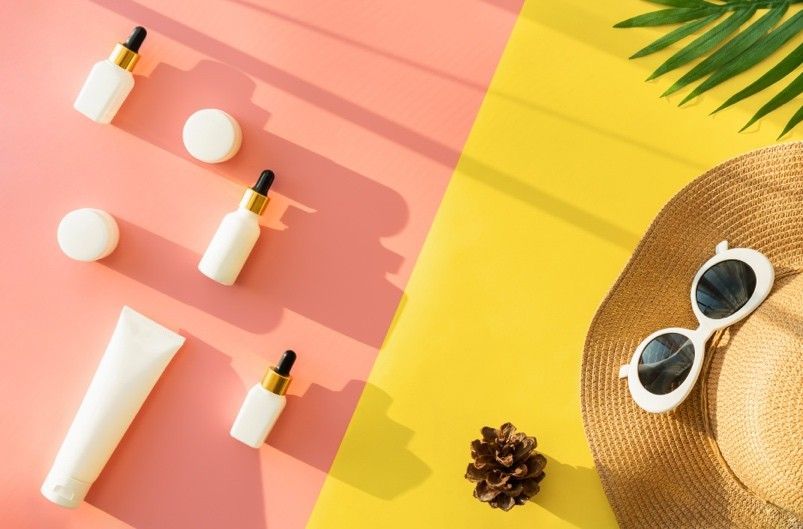
Many people shelve their sunscreen in the fall, which is a critical error. UVA rays, the primary driver of premature aging and a known trigger for rosacea, remain potent year-round.
Furthermore, snow can reflect up to 80% of UV radiation, intensifying your exposure. Opt for mineral-based sunscreens with zinc oxide or titanium dioxide, as they are less likely to irritate sensitive skin than their chemical counterparts.
Apply sunscreen to all exposed areas, not just your face, but also your neck, ears, lips, and hands. For added convenience, select a formula that includes hydrating ingredients so it doubles as your daytime moisturizer. Even on cloudy or cold days, make SPF application a consistent habit.
When At-Home Care Requires Professional Reinforcement
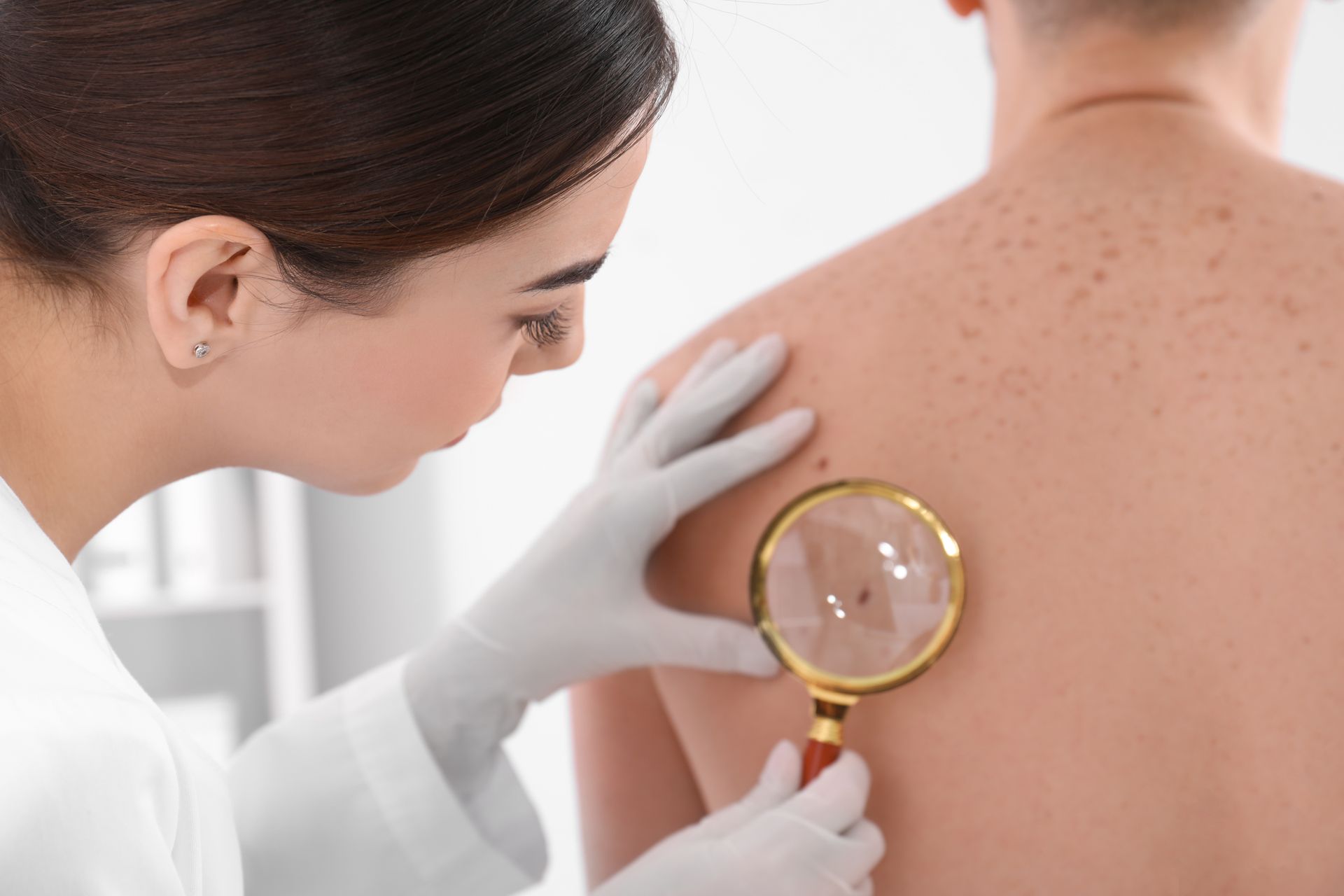
A strategic at-home routine is the foundation of winter skin management, but persistent or severe symptoms often require the advanced therapeutic options available through a dermatologist. If your skin is not responding, it is time to seek expert care.
For Rosacea Management
Treatments like Pulsed Dye Laser (PDL) or Intense Pulsed Light (IPL) can significantly reduce persistent redness and eliminate visible blood vessels (telangiectasias). Beyond standard metronidazole, newer formulations containing ivermectin or azelaic acid provide powerful anti-inflammatory and anti-parasitic action to control papules and pustules.
Low-dose oral antibiotics can also be prescribed for their anti-inflammatory effects, not their antibacterial properties, to manage flare-ups.
For Eczema (Atopic Dermatitis) Control
Medically supervised exposure to narrowband UVB light in Phototherapy can effectively calm the overactive immune response in the skin, reducing inflammation and itch. Non-steroidal options, such as topical JAK inhibitors or PDE4 inhibitors, can control inflammation without the long-term risks associated with topical steroids.
For moderate-to-severe eczema, injectable biologics precisely target specific inflammatory pathways (like IL-4 and IL-13) to provide profound and lasting relief.
For Psoriasis Relief
Excimer Laser is a form of UVB phototherapy that allows for the treatment of localized psoriasis plaques without affecting the surrounding healthy skin. A revolutionary class of injectable medications, including TNF-alpha, IL-17, and IL-23 inhibitors, can target the specific immune system drivers of psoriasis, resulting in clear or nearly clear skin for many patients.
Common Winter Skincare Mistakes to Avoid this 2025
Even small missteps can undo your progress during the winter. You can maintain healthy, comfortable, and glowing skin throughout the winter by implementing a few easy changes and maintaining consistency. Here are a few habits that you should not avoid this winter:
Overusing Active Ingredients
While ingredients like retinoids, AHAs, and BHAs can improve texture and tone, using them too frequently in winter can strip your skin and weaken its barrier. Reduce their use to a few times per week or switch to gentler formulations. Always buffer actives with a rich moisturizer to minimize irritation.
Ignoring Barrier-Rebuilding Ingredients
Many people rely solely on hydrating products but forget those that rebuild the skin’s barrier. Look for formulas with niacinamide, squalane, or panthenol. These support barrier repair and reduce inflammation, which is critical for rosacea, eczema, and psoriasis.
Using Alcohol-Based Toners or Astringents
Toners that contain alcohol or witch hazel may feel refreshing but can dry and sensitize the skin further in winter. Opt for alcohol-free, hydrating toners or essences that replenish moisture and balance pH instead.
Neglecting Nighttime Repair
Skin repairs itself most effectively overnight. Skipping your nighttime moisturizer or sleeping in a dry, heated room without humidity support can accelerate dehydration. Apply a thicker night cream or a sleeping mask before bed to strengthen your barrier as you rest.
Not Cleaning Makeup Brushes and Pillowcases Regularly
Bacteria buildup on brushes, pillowcases, and phone screens can worsen inflammation and clogged pores, especially during flare-prone months. Clean brushes weekly and change pillowcases twice a week to maintain a clean skin environment.
Your Step-by-Step Winter Skin Action Plan
Even with diligent care, you may experience flare-ups that require medical attention. If redness, scaling, or itching persists, or if your symptoms begin to impact your confidence or daily comfort, it’s time to consult a dermatologist. Follow these steps to have a clear action plan to keep your winter skin healthy and moisturized.
Audit and Upgrade Your Products
Review your current skincare. Replace harsh, fragranced, or foaming cleansers with gentle, pH-balanced options. Switch lightweight lotions to thick, ceramide-rich creams or ointments that lock in moisture and repair your skin barrier.
Manage Stress and Support Sleep
Elevated stress levels trigger cortisol, a hormone that increases inflammation and skin sensitivity. Prioritizing consistent sleep routines, relaxation techniques, and stress-reducing practices such as meditation or gentle yoga can help your skin repair itself overnight and reduce the likelihood of irritation during the day.
Blue Light and Digital Exposure
With more time spent indoors in winter, exposure to blue light from screens can contribute to oxidative stress and aggravate redness or sensitivity.
Incorporating antioxidant-rich serums, such as those containing niacinamide, green tea extract, or vitamin C, into your morning routine can help protect your skin. Some modern mineral sunscreens also offer added blue-light defense, supporting overall skin resilience.
Support Skin Barrier from the Inside
Omega-3 fatty acids, antioxidants, and adequate hydration strengthen your skin’s barrier and reduce inflammatory responses.
Include foods such as salmon, walnuts, leafy greens, and berries in your winter diet, and consider supplements like vitamin D or oral ceramides if recommended by a dermatologist. A nutrient-focused approach helps your skin stay resilient and better withstand environmental stressors.
Monitor Triggers and Environmental Factors
Track your routines, products, and environmental conditions in a journal or a skin-tracking app. Over time, you’ll be able to spot patterns, understand what affects your skin most, and make proactive adjustments to your winter skincare routine.
Schedule a Professional Consultation
A consultation at Pine Belt Dermatology allows you to receive personalized guidance, fine-tune your routine, and explore professional treatments if needed. Early intervention can help control symptoms, prevent worsening conditions, and ensure your skin stays healthy, comfortable, and resilient throughout the winter.
If you’re finding it difficult to manage your skin this winter, professional care can make all the difference. The board-certified dermatologists at our Pine Belt Dermatology provide advanced, personalized treatment plans to help you regain control and confidence in your skin.
Schedule your consultation and start your journey toward a calmer, healthier, and flare-free winter today!