Over-the-Counter vs. Prescription Skin Treatments: When to Upgrade

At Pine Belt Dermatology & Skin Cancer Center, we understand that selecting the right skincare products can be challenging. While many over-the-counter (OTC) options promise results, not all skin concerns can be addressed with these products. Knowing the difference between OTC and prescription treatments helps you make educated decisions and recognize when to seek professional care.
If you are treating acne, eczema, rosacea, or signs of aging, upgrading your treatment plan at the right time can improve your skin health and confidence.
Understanding Over-the-Counter Skin Treatments
Over-the-counter skincare products are available without a prescription and are intended for mild to moderate skin concerns. When used consistently, many contain ingredients that help maintain healthy skin.
Common OTC ingredients include:
- Salicylic acid for acne
- Benzoyl peroxide to reduce acne-causing bacteria
- Retinol for fine lines and uneven texture
- Hydrocortisone cream for minor itching and irritation
- Moisturizers with ceramides or hyaluronic acid to heal the skin barrier
These products are a good starting point for mild conditions. However, because OTC treatments use lower-strength active ingredients, they may not be effective for chronic or serious skin issues.
When Prescription Skin Treatments May Be Necessary
Prescription treatments use stronger active ingredients and are customized to your specific skin condition. A dermatologist can diagnose the underlying cause and recommend medications that address the problem more effectively than OTC products.
Prescription treatments may include:
- Oral medications for moderate to severe acne
- Prescription-strength retinoids
- Medications to manage eczema or psoriasis
- Treatments for rosacea and chronic redne
- Prescription creams for hyperpigmentation or melasma
- Antifungal or antibacterial medications for skin infections
These therapies are chosen based on your medical history, skin type, and treatment goals to maximize results and minimize side effects.
Time to Upgrade Your Treatment
While many start with OTC products, some situations require a dermatology appointment.
Consider seeing a dermatologist if:
- Your skin condition has not improved after several weeks of steady OTC treatment.
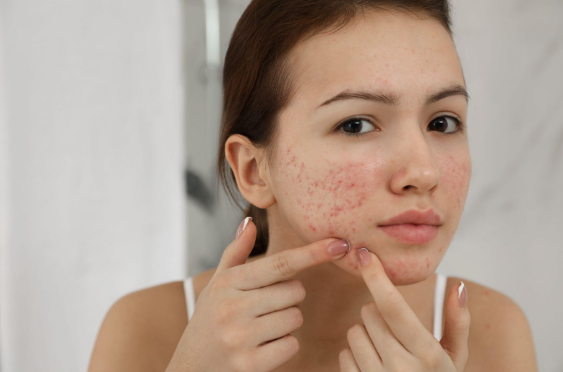
- Acne is causing painful cysts, nodules, or permanent scarring.
- Rashes, redness, or irritation continue to worsen.
- You experience frequent flare-ups of eczema, psoriasis, or rosacea.
- You notice new or changing skin growths or unusual spots.
- Your skin concern is affecting your confidence or quality of life.
Early treatment has the potential to prevent conditions from getting worse and minimize the chances of long-term skin damage.
Why Professional Assessment Matters
Many skin conditions look similar, making self-diagnosis challenging. For example, stubborn acne may be rosacea, and chronic dry patches could indicate eczema, psoriasis, or another condition.
A board-certified dermatologist can accurately diagnose your skin concern and develop a customized treatment plan. Professional guidance also helps you avoid spending time and money on ineffective products.
Healthy Skin Starts with the Right Treatment
Over-the-counter products are important for daily skincare, but they may not treat complex or persistent concerns. Transitioning to prescription treatment at the right time can greatly improve your skin’s appearance and long-term health.
At Pine Belt Dermatology & Skin Cancer Center, our team offers complete evaluations and customized treatment plans for acne, eczema, rosacea, hyperpigmentation, skin cancer screenings, and other skin conditions. If your current skincare routine is not resulting in success, we are here to help you achieve healthier, more confident skin.