Skin Barrier Repair: How to Restore Damaged Skin Naturally & Medically
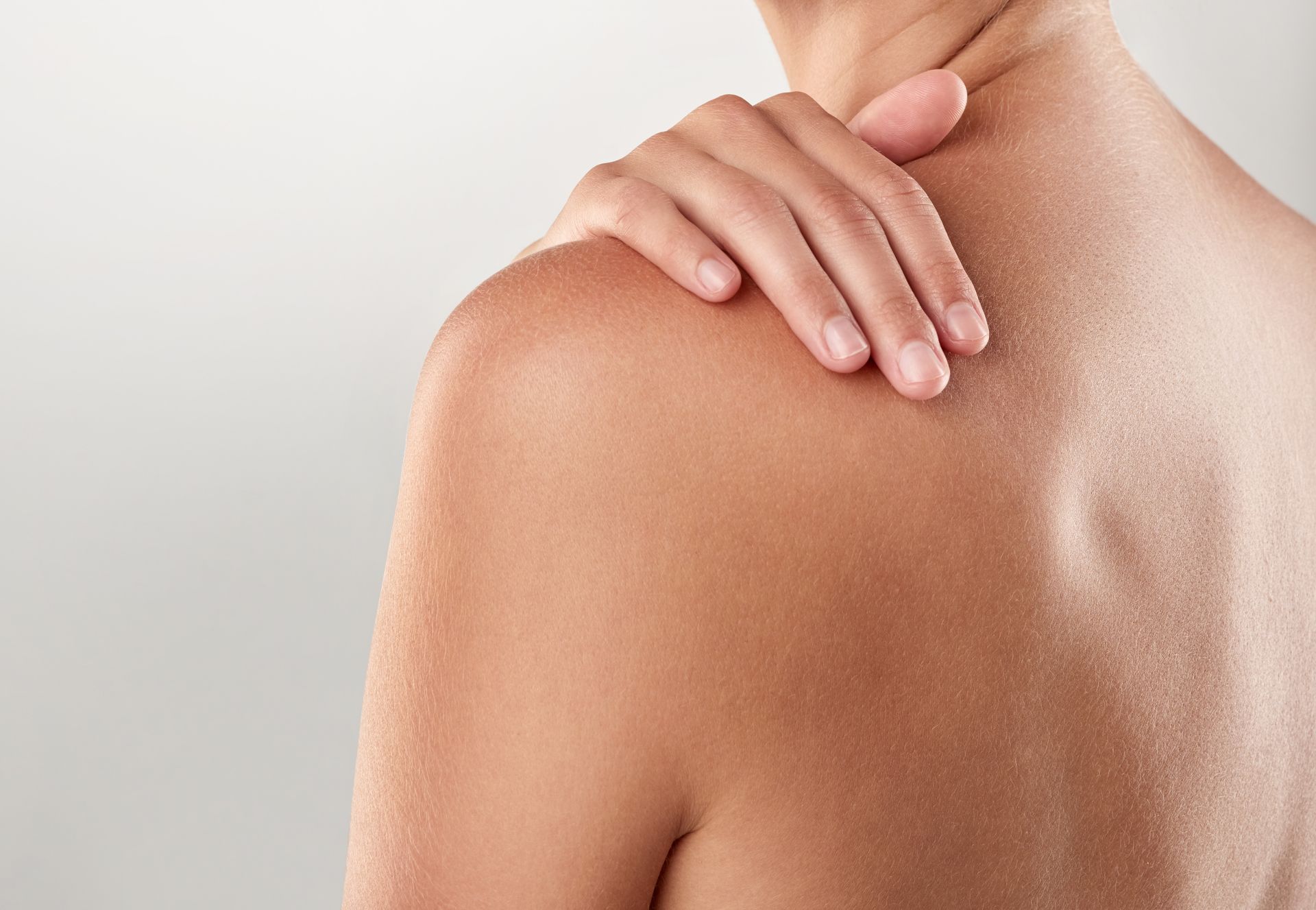
At Pine Belt Dermatology & Skin Cancer Center we know that healthy skin starts with a good skin barrier. When the skin barrier is compromised it can result in dryness, redness, irritation, sensitivity and increased transepidermal water loss. Knowing how to repair the skin barrier both naturally and medically can go a long way towards restoring your skin's comfort and protecting it from further irritation.
Whether your skin has been damaged by aggressive skincare products, external causes, or an underlying skin condition, the right approach to skin barrier repair can make a real difference.
What Is the Skin Barrier?
The skin barrier is the skin's outer layer. It's there to help retain moisture and to protect the body from allergens, pollutants and all sorts of other environmental agents. A healthy skin barrier will therefore be better at keeping the skin hydrated and better at protecting it from potential irritants.
However, over-exfoliation, harsh cleansers, weather changes and certain skin conditions can all compromise the barrier. When the barrier is compromised, the skin may be more prone to dryness, inflammation, and sensitivity.
What Are the Signs of a Damaged Skin Barrier?
Identifying the signs of a weakened skin barrier is the first step in getting back to healthy skin. The symptoms are fairly straightforward:
- Dryness and flaking: your skin may feel rough, tight or dehydrated.
- Redness and irritation: the skin may be red and/or irritated.
- Increased sensitivity: products which were previously working well may now be causing stinging or burning.
- Itching or discomfort: a compromised barrier can lead to irritation and chronic dryness.
- Breakouts or an uneven texture: barrier disruption may occur in conjunction with acne and other skin issues.
If symptoms persist or worsen, a dermatologist can help identify the cause and recommend the most appropriate treatment.
How to Repair Your Skin Barrier Naturally
Making simple changes to your daily skincare routine can help support natural skin barrier repair. The aim is to reduce irritation, replenish moisture and give your skin the chance to heal.
Use a gentle cleanser. Opt for a mild, fragrance free one that will remove the dirt and oil without stripping your skin of too much of its natural moisture.
Moisturize regularly with a moisturizer containing ceramides, glycerin and/or hyaluronic acid. These ingredients will help to support hydration and maintain the skin's protective function.
Avoid the harsh skincare products. Temporarily reduce the exfoliating acids, retinoids, scrubs and the like that may be making the irritation worse. Reintroduce the actives very gradually once your skin has had a chance to recover and if necessary you may well need to do so under professional guidance.
Protect your skin from the sun. Daily use of broad spectrum sunscreen with SPF 30 or higher will defend your skin from UV damage. Look for shade and wear protective clothing when you're out in the sun.
Keep it simple with your routine. Using fewer products will likely help minimize irritation as your skin heals. Don't go off and start trying out loads of new products at the same time.
Medical Treatments for Skin Barrier Repair
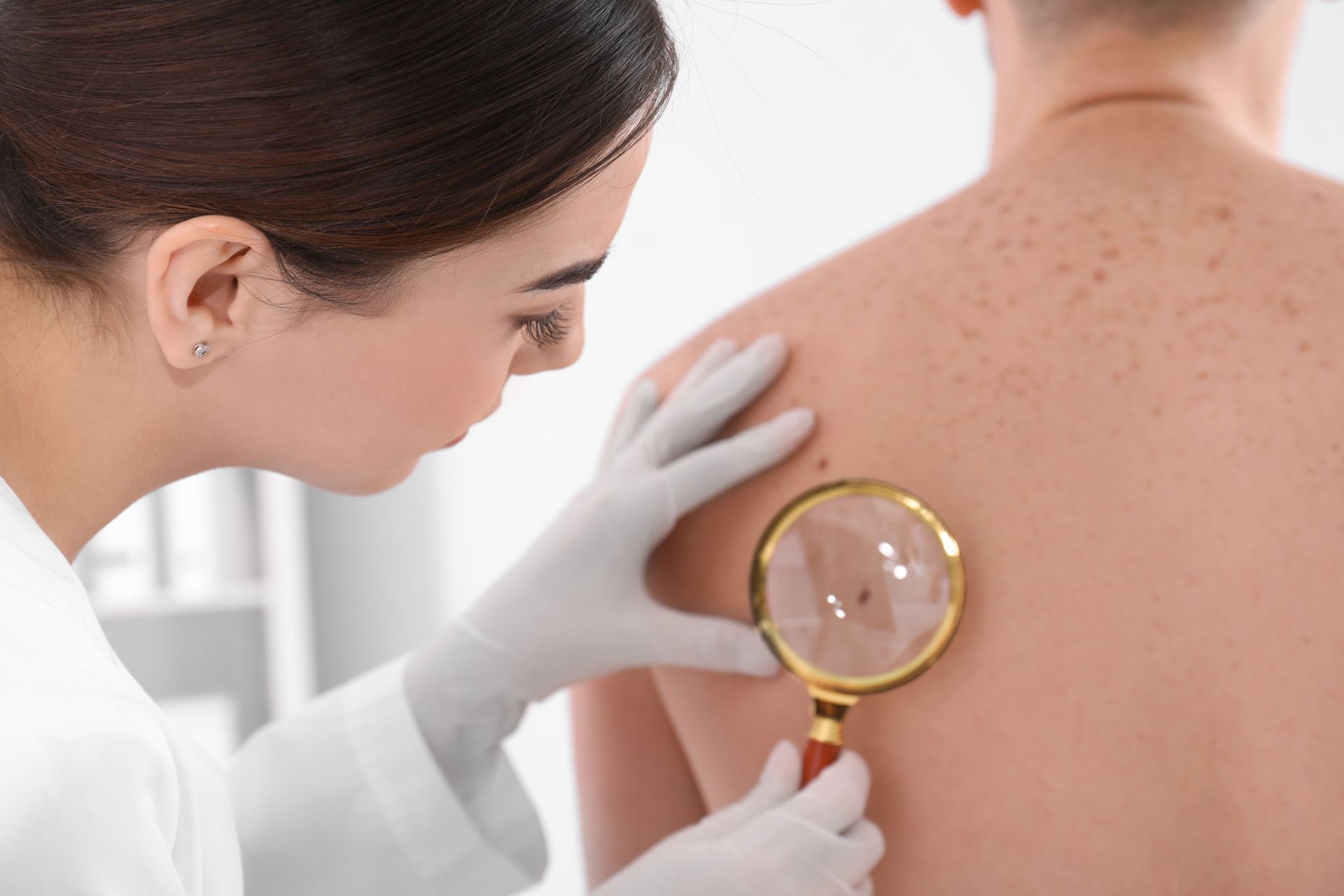
While over-the-counter skincare will help many people, there are some cases where professional treatment is required. A dermatologist can assess your symptoms and decide whether an underlying condition (e.g. eczema, contact dermatitis or some other inflammatory skin disease) is the cause of the damage.
Treatment will depend on the etiology and may include prescription moisturizers, topical medications to reduce inflammation and/or targeted therapy for the underlying skin condition. Your dermatologist can also help you to identify any products or ingredients that may be exacerbating your skin.
Seek professional advice if you have persistent redness, painful cracking, severe itching, or if your symptoms won't respond to a mild skincare routine.
How Long Does Skin Barrier Repair Take?
The time it takes to restore a damaged skin barrier depends on the injury’s extent and cause. Mild irritation may resolve in a matter of days whereas more significant damage or damage due to a chronic skin condition may take many weeks or even longer to address.
Consistency is fundamental. A mild skincare routine, avoiding known irritants, and using suitable moisturizers will all support recovery.
Take the Next Step Toward Healthier Skin
Restoring your skin barrier starts with knowing what your skin needs and what is causing the irritation. A combination of gentle daily skincare and professional dermatological care will help you stay hydrated, reduce the discomfort and support the skin in looking healthier.
At Pine Belt Dermatology & Skin Cancer Center, we render personalized dermatological care to help patients address a variety of skin concerns. If you are experiencing persistent dryness, redness, irritation, or sensitivity, our team can evaluate your skin and recommend an appropriate treatment plan to help restore and protect your skin barrier.