Winter Skin Care vs. Summer Skin Care: What Changes?

May 31, 2026
Winter Skin Care vs. Summer Skin Care: What Changes?

Winter Skin Care vs. Summer Skin Care: What Changes?


At Pine Belt Dermatology & Skin Cancer Center, we understand that your skin’s needs change with the seasons. What works during the cold, dry winter months may not be effective during the hot, humid summer days. Seasonal shifts affect your skin’s moisture, oil production, sensitivity, and appearance, so it’s important to adjust your skincare routine throughout the year.


Understanding the differences between winter and summer skin care can help you maintain healthier, more comfortable skin year-round.


How Weather Affects Your Skin


Your skin acts as a defensive shield against the environmental conditions. Temperature, humidity, sun exposure, and indoor heating or air conditioning all influence how your skin behaves.


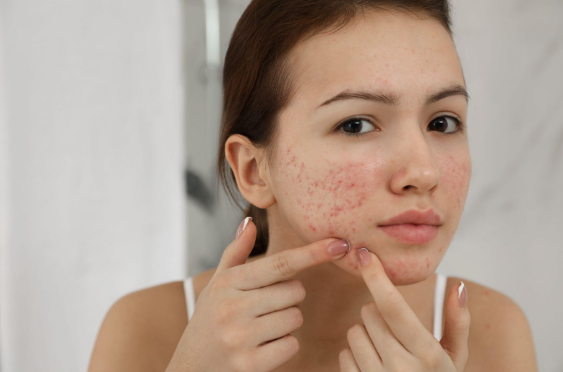
During winter, cold outdoor air and dry indoor heat strip moisture from the skin, causing dryness, irritation, and flaking. In summer, heat and humidity increase oil production and sweating, which can cause clogged pores, breakouts, and sun damage.


Because your skin reacts differently to each season, your skincare routine should evolve as the weather changes.


Winter Skin Care: Focus on Hydration and Protection


Winter skincare is all about restoring moisture and protecting the skin barrier. Dry air and reduced humidity levels can leave skin feeling tight, itchy, and sensitive.


Some essential winter skincare tips include:

  • Using thicker moisturizers or creams to lock in hydration
  • Employing gentle cleansers that won’t strip natural oils
  • Avoiding excessively hot showers that can dry out the skin
  • Using humidifiers indoors to add moisture back into the air
  • Continuing daily sunscreen use, even on cloudy days


People with eczema, psoriasis, or sensitive skin often have more flare-ups in winter due to dryness and irritation. Keeping the skin barrier healthy is especially important during colder months.


Summer Skin Care: Focus on Oil Control and Sun Protection


Summer skin care regimens focus on managing excess oil, sweat, and sun exposure. Higher temperatures and humidity cause the skin to create more oil, causing acne breakouts and clogged pores.


Summer skincare strategies may include:

  • Switching to lightweight, oil-free moisturizers
  • Cleansing regularly to remove sweat and buildup
  • Wearing broad-spectrum sunscreen every day
  • Using non-comedogenic skincare and makeup products
  • Keeping hydrated to support skin health from within


Sun protection is a key part of summer skin care. Prolonged UV exposure can cause premature aging, hyperpigmentation, and higher skin cancer risk. Reapplying sunscreen throughout the day is vital, especially during outdoor activities.


Using the same products year-round may not support your skin. Heavy winter creams can feel greasy in summer, while lightweight summer lotions may not hydrate enough in winter.


Seasonal skincare adjustments can help:

  • Prevent dryness and irritation
  • Reduce acne breakouts
  • Improve skin texture and comfort
  • Protect versus ecological damage
  • Support long-term skin health


At Pine Belt Dermatology & Skin Cancer Center, we encourage patients to pay attention to how their skin changes throughout the year and make appropriate adjustments to their regimens.


When to See a Dermatology Specialist


If you have ongoing dryness, irritation, breakouts, rashes, or other skin concerns that worsen with seasonal changes, it may be appropriate to consult a dermatology professional.


Ongoing problems can indicate underlying conditions that require specialized treatment.

Our team provides customized skincare recommendations customized to your skin type, lifestyle, and seasonal concerns.


Healthy Skin in Every Season


Your skin’s needs constantly change, and adapting your skincare routine can greatly help maintain healthy, balanced skin year-round. Recognizing the differences between winter and summer skin care helps protect your skin from seasonal stressors and keeps it looking and feeling its best.


If you’re looking for expert skincare guidance, schedule a consultation with Pine Belt Dermatology & Skin Cancer Center today to learn how seasonal skincare adjustments can support healthier skin year-round.



Nail Health: What Your Nails Say About Your Skin and Body
May 1, 2026
At Pine Belt Dermatology & Skin Cancer Center, we believe your nails are more than a cosmetic feature—they give valuable insight into...
April 13, 2026
When a ‘Rash’ Might Be Something More Serious At Pine Belt Dermatology & Skin Cancer Center, we recognize that rashes are common and frequently resolve quickly with minimal treatment. However, some rashes may signify underlying conditions that require prompt medical attention. Identifying when a rash is more than a minor irritation is key to protecting your health. Comprehending Common vs. Concerning Rashes Most everyday rashes result from irritants, allergies, heat, or minor infections and typically improve within a few days with over-the-counter treatments. However, if a rash lasts longer, worsens, or appears with other symptoms, it may signal a more serious issue. Identifying the difference between a routine rash and one that requires medical evaluation helps avoid complications and ensure appropriate care. Warning Signs to Watch For Certain features may indicate a rash requires clinical assessment, including: Rapidly spreading or worsening rash Severe pain, swelling, or blistering Signs of infection such as pus, warmth, or red streaks Fever or flu-like symptoms accompanying the rash A rash that does not improve after several days of treatment Dark, purple, or bruised-looking areas on the skin For example, a rash with fever may indicate a viral or bacterial infection, whereas painful blistering can suggest conditions such as shingles. In rare cases, rashes may signal autoimmune disorders or severe allergic reactions. Rashes That May Point to Underlying Conditions Some rashes may be linked to broader health concerns, including conditions that cause inflammation in the skin and other organs: Allergic reactions that may escalate into further severe responses Infections that spread beyond the skin if untreated Medication reactions that require immediate adjustment Persistent or unusual skin changes may be early signs of skin cancer or precancerous conditions, especially if they do not heal or continue to change over time. Why Early Evaluation Matters Delaying care for a worrisome rash may allow the underlying condition to progress. Early diagnosis improves treatment outcomes and helps prevent discomfort and complications. A dermatology specialist can assess the rash’s appearance, location, and progression, and may recommend diagnostic tests if needed. This approach assures treatment addresses the underlying cause, not just the visible symptoms. When to See a Dermatology Specialist If you are unsure about your rash, it is best to err on the side of caution. Consider seeking care if: The rash is persistent, painful, or unusual in appearance Over-the-counter treatments are not effective You experience additional symptoms such as fever or fatigue The rash interferes with your daily comfort or quality of life At Pine Belt Dermatology & Skin Cancer Center, our experienced providers supply comprehensive skin evaluations and customized treatment plans. We take time to understand your symptoms and deliver clear, effective solutions tailored to your needs. Protecting Your Skin and Your Health While many rashes are minor, some may be early warning signs of more serious health concerns. Monitoring skin changes and pursuing prompt medical advice can produce a notable effect. If you notice a rash that does not seem right, do not ignore it. Schedule a consultation with Pine Belt Dermatology & Skin Cancer Center for expert evaluation and peace of mind. Your skin is an important indicator of your overall health, and taking it seriously supports ongoing well-being.
The Link Between Stress & Skin Conditions | Pine Belt Dermatolog
By Bob Berendsen March 1, 2026
At Pine Belt Dermatology & Skin Cancer Center, we know that healthy skin is affected by more than just external care—it’s related to your overall health...
UV Light Therapy for Scalp Psoriasis | Pine Belt Dermatology
By Bob Berendsen February 5, 2026
Here’s how UV light therapy works, why it is useful for scalp psoriasis during winter, what to expect from treatment, and how to use it safely.
Dermatologist-Approved Tips for Safe and Effective Skincare | Pine Belt Dermatology
By Bob Berendsen January 1, 2026
A truly effective skincare routine should be tailored to your needs, protect your natural barrier, and target concerns with proven ingredients.
Psoriasis During the Winter Season | Pine Belt
By Bob Berendsen December 2, 2025
The cold, dry air outside combined with indoor heating can strip away your skin’s natural moisture, leaving it tight, flaky, and more vulnerable to irritation.
Winter Skin Survival Guide: How to Combat Dryness | Pine Belt Dermatology
By Bob Berendsen November 4, 2025
At Pine Belt Dermatology, we understand how winter weather affects your skin and how frustrating it can be to deal with the discomfort that comes with it.
Why Breakouts Increase in Cooler Weather | Pine Belt
By Bob Berendsen October 1, 2025
Acne is often thought of as a summer skin concern. However, many people notice that their breakouts actually worsen in the fall.
Sun Damage Doesn’t Stop in Fall: Why Year-Round SPF Is Essential | Pine Belt Dermatology
By Bob Berendsen September 1, 2025
This blog explores why SPF isn’t just a summer essential—it’s a daily requirement, no matter the season.
How to Reverse Sun Damage and Hyperpigmentation | Pine Belt
By Bob Berendsen August 1, 2025
Fortunately, with the right approach and treatments, you can begin reversing these effects and restore your skin’s health and radiance.