Acne in Adults
Acne in Adults
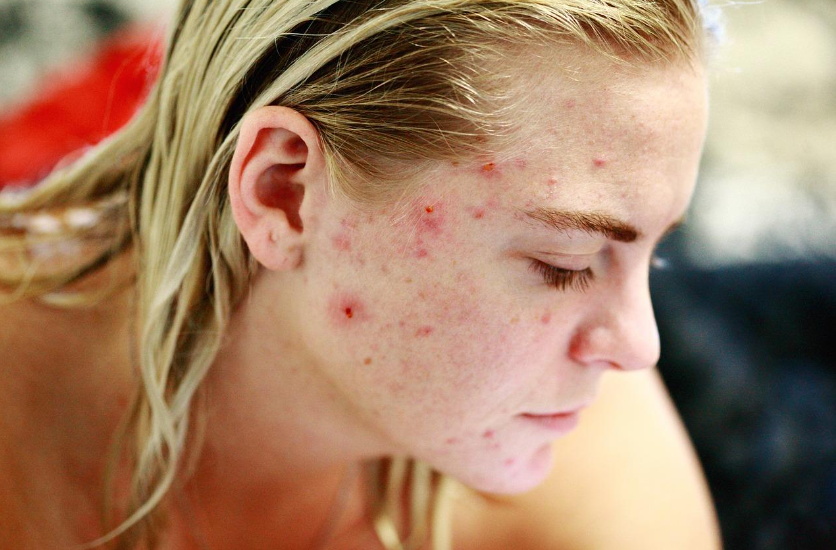
Adult acne can be frustrating and persistent, so understanding its causes and exploring effective treatments is essential. Unlike common teenage breakouts, adult acne often demands a different approach. Explore the causes of adult acne and discover solutions for clear, healthy skin.
Why You're Still Breaking Out
Acne is not just a teenage problem. Many adults struggle with breakouts well into their 20s, 30s, and beyond. Understanding the underlying causes of adult acne can help develop an effective treatment plan:
Hormonal Fluctuations
Hormonal changes are one of the primary causes of adult acne. Hormonal acne typically appears on the lower face, including the jawline and chin, and is often related to menstrual cycles, pregnancy, or menopause. Hormonal imbalances can lead to increased oil production, which clogs pores and results in acne.
Fluctuations in estrogen and progesterone during menstrual cycles can cause the sebaceous glands to produce more oil. Similarly, hormonal changes during pregnancy can trigger acne flare-ups. Menopause, marked by a decline in estrogen levels, can also lead to breakouts due to a relative increase in androgens. Polycystic Ovary Syndrome (PCOS) is another condition that can cause hormonal imbalances and result in persistent acne in adults.
Stress and Its Impact on Skin
Stress acne is another significant factor contributing to adult breakouts. When stressed, your body produces more cortisol, increasing oil production and inflammation, leading to acne. Managing stress through mindfulness, exercise, and relaxation techniques can benefit your skin.
Cortisol, a stress hormone, is released by the adrenal glands in response to stress. It can lead to increased oil production by the sebaceous glands, making the skin more prone to breakouts. Chronic stress can also disrupt other hormonal balances, exacerbating acne. Practicing stress management techniques such as yoga, meditation, and regular physical activity can help reduce the impact of stress on your skin.
Diet and Its Potential Role in Breakouts
Maintaining a balanced diet rich in fruits, vegetables, and whole grains can help reduce breakouts. High-glycemic foods, such as sugary snacks and beverages, can cause spikes in blood sugar levels, leading to increased insulin production. This, in turn, can stimulate oil production and inflammation, contributing to acne. Dairy products, especially those containing hormones, can also trigger acne in some people. Switching to a low-glycemic diet and reducing dairy intake may help improve adult acne.
Other Contributing Factors
Several other factors can contribute to adult acne, including certain medications and the use of comedogenic (pore-clogging) cosmetics.
Medications such as corticosteroids, lithium, and some anticonvulsants can cause acne as a side effect. Non-comedogenic skincare and makeup products can help prevent clogged pores and reduce acne. Environmental factors such as pollution and exposure to harsh chemicals can also irritate the skin and lead to breakouts.
Identifying and avoiding potential acne triggers is important to maintain clear skin. We all react differently to triggers as well, so keep an eye out for how your skin reacts to things and see if there are treatments to help if you cannot avoid them.
Building a Skincare Routine for Adult Acne
An effective skincare routine tailored to adult acne can make a significant difference. Here’s how to build a regimen that keeps breakouts at bay and promotes healthy skin:
Choosing the Right Cleanser for Your Skin Type
A gentle, non-comedogenic cleanser removes excess oil and impurities without stripping the skin of its natural moisture. Look for cleansers containing salicylic acid or benzoyl peroxide, which effectively treat acne.
Salicylic acid is a type of beta-hydroxy acid (BHA) that removes dead skin cells, unclogs pores and can help with acne. Benzoyl peroxide is an antibacterial agent that reduces acne-causing bacteria and inflammation. Using a cleanser with these active ingredients can help keep acne under control.
Choosing a cleanser that suits your skin type, whether oily, combination, or sensitive, is important to avoid irritation.
Friend or Foe?
Regular exfoliation helps remove dead skin cells and stops pores from getting clogged. But exfoliating too much can irritate your skin and worsen acne. Try exfoliating 1-2 times a week using a gentle exfoliant.
Physical exfoliants, such as scrubs with small granules, can be too harsh for acne-prone skin. Instead, opt for chemical exfoliants containing AHAs or BHAs, which gently dissolve dead skin cells without irritating them.
Glycolic and lactic acids are popular AHAs that promote cell turnover and improve skin texture. Incorporating a mild exfoliant into your routine can help prevent clogged pores and reduce the frequency of breakouts.
Moisturizing for Balanced, Healthy Skin
Even acne-prone skin needs moisture. To keep your skin hydrated without clogging pores, use a moisturizer that will not cause acne. Ingredients like hyaluronic acid and niacinamide are excellent choices for maintaining skin balance.
Hyaluronic acid is a strong moisturizer that attracts and holds moisture in the skin, keeping it hydrated and full. Niacinamide, or vitamin B3, helps regulate oil production, reduce inflammation, and improve the skin barrier. A lightweight, non-comedogenic moisturizer can help maintain skin hydration and prevent excess oil production, reducing the risk of breakouts.
Spot Treatments for Targeted Action
Spot treatments can help make pimples smaller and less red. Ingredients like benzoyl peroxide, salicylic acid, and sulfur can target acne directly and speed up healing.
Benzoyl peroxide and salicylic acid are effective spot treatments for reducing inflammation and killing acne-causing bacteria. Sulfur, another common ingredient in spot treatments, helps dry out pimples and absorb excess oil. Applying a spot treatment to active breakouts can help speed healing and prevent new pimples from forming.
Essential for All Skin Types
Daily sunscreen protects your skin from UV damage, which can worsen acne and lead to scarring. Choose a broad-spectrum, non-comedogenic sunscreen to avoid further clogging of pores.
Using sunscreen helps prevent sunburn, premature aging, and skin cancer. However, choosing a sunscreen that won't clog pores or cause breakouts is important for acne-prone skin. Look for sunscreens labeled as non-comedogenic and oil-free, and choose a lightweight formula that won't leave a greasy residue. Daily sunscreen can protect your skin from harmful UV rays and prevent post-acne hyperpigmentation.
Treatment Options for Adult Acne
Various treatment options can help clear breakouts and reduce acne scars. Finding the right approach often requires patience and consistency.
Over-the-Counter Acne Treatments
OTC treatments containing benzoyl peroxide, salicylic acid, and alpha hydroxy acids (AHAs) can effectively reduce acne. These ingredients help to unclog pores, reduce inflammation, and exfoliate the skin. Benzoyl peroxide kills acne-causing bacteria and reduces inflammation, while salicylic acid exfoliates the skin and unclogs pores. AHAs, such as glycolic and lactic acids, promote cell turnover and improve skin texture. Using OTC treatments consistently can help reduce the frequency and severity of breakouts.
Prescription Medications
Topical retinoids, derived from vitamin A, are powerful acne treatments that promote cell turnover and prevent clogged pores. Prescription antibiotics, such as doxycycline and minocycline, can reduce inflammation and kill acne-causing bacteria. Hormonal treatments, including birth control pills and spironolactone, can regulate hormone levels and reduce acne in women. A dermatologist can prescribe the most appropriate treatment based on the severity and type of acne.
Professional Treatments
Chemical peels use exfoliating acids to remove the top layer of skin, promoting cell turnover and reducing acne. Light therapy, including blue and red light treatments, can kill acne-causing bacteria and reduce inflammation. Laser treatments, such as fractional laser and intense pulsed light (IPL), can target acne scars and improve skin texture.
The Importance of Consistency and Patience
Skincare products and treatments take time to show results, so sticking with a routine and giving it a chance to work is necessary. Acne treatments typically take several weeks to show visible improvements. It's important to follow your skincare routine consistently and avoid switching products frequently, as this can irritate the skin and worsen acne. Be patient, give treatments time to work, and consult a dermatologist if you don't see improvements after a few months.
Lifestyle Tweaks for Clearer Skin
These lifestyle changes can complement your skincare routine and help prevent adult acne:
Managing Stress for Improved Skin Health
Stress management techniques can help reduce cortisol levels and prevent stress-related breakouts. Yoga and meditation promote relaxation and mindfulness, while regular exercise releases endorphins and improves circulation.
Dietary Adjustments for Acne-Prone Skin
Eating a balanced diet with plenty of fruits, vegetables, and whole grains can improve skin health. Omega-3 fatty acids in fish and flaxseeds have anti-inflammatory properties that can reduce acne. Antioxidants, such as vitamins C and E, protect the skin from free radical damage and promote healing.
Maintaining Good Sleep Hygiene
Sleep is needed for better overall health and well-being, including skin health. During sleep, the body repairs and regenerates skin cells, reducing inflammation and promoting healing. Poor sleep can increase stress levels and exacerbate acne.
Avoiding Picking and Popping Blemishes
Picking and popping pimples can introduce bacteria into the skin, causing infections and worsening acne. Scarring and dark spots can also occur. Instead of picking at blemishes, use spot treatments and allow your skincare products to do their job.
For professional advice and personalized treatment options, consult our team at
Pine Belt Dermatology. We offer services that address adult acne and help you achieve clear, healthy skin. Visit us to learn more and
book an appointment today.