The Dangers of Indoor Tanning—and Why It’s So Addictive
The Dangers of Indoor Tanning—and Why It’s So Addictive

We all love that golden glow from a day spent basking in the sun, but what about those days when the sun decides to take a break? That's where indoor tanning comes into play, right? Well, hold on to your tanning goggles because there’s more to this seemingly harmless activity than meets the eye.
Read on to learn more about the world of indoor tanning, its addictive allure, and the dangerous risks it poses.
The Deceptive and Addictive Allure
Imagine this: you walk into a cozy tanning salon, the warmth embracing you like a long-lost friend. The promise of a sun-kissed skin tone lures you into the sleek tanning bed. You slip on those eye protection goggles, lie down, and let the UV rays work their magic.
It’s a routine many people find enticing—the instant gratification of a tan without having to wait for a sunny day! But did you know that this seemingly harmless habit can turn into an addiction with dangerous consequences?
Indoor tanning is more addictive than you might think. The allure lies in the release of endorphins, the body's natural feel-good chemicals triggered by exposure to UV rays. When you’re basking under those warm lights, your brain gets a surge of these mood-enhancing chemicals, creating a euphoric sensation. It’s a natural high; after all, who doesn’t crave that blissful feeling?
Moreover, society often equates tanned skin with health and beauty, reinforcing the desire to achieve and maintain that bronzed look. The compliments and admiration from others can further fuel the addiction, creating a vicious cycle. What starts as a quest for a bit of color can soon spiral into an uncontrollable urge, making it difficult to resist the temptation of frequent tanning sessions.
The Dangerous Reality of Indoor Tanning: A Closer Look
Indoor tanning, once hailed as a convenient way to achieve a sun-kissed glow, has now revealed its perilous side, casting a shadow over its enticing allure. Let’s peel back the layers and explore the dark reality that lurks beneath the surface of those sleek tanning beds and golden promises.
1. The Menace of UV Radiation: A Silent Destroyer
Despite a recent decrease in numbers, around 7.8 million adults in the U.S. continue to participate in indoor tanning. The sun, with its life-giving warmth, also harbors a silent destroyer: ultraviolet (UV) radiation.
When you step into a tanning bed, you're willingly exposing your skin to these harmful rays. Whether natural or artificial,
UV radiation damages the DNA in your skin cells. This damage disrupts the delicate balance of your body's cellular processes, paving the way for the development of cancerous cells.
Three primary types of skin cancer include basal cell carcinoma, squamous cell carcinoma, and melanoma. Carcinoma is more prevalent than melanoma, but melanoma stands out as the most lethal form of skin cancer. Engaging in tanning bed use before the age of 35 skyrockets the risk of developing melanoma by 75%. That’s not a risk to be taken lightly; it’s a wake-up call to reconsider the seemingly innocent indulgence of tanning beds.
2. Premature Aging: The Price of a Momentary Glow
Beyond the menacing specter of cancer, indoor tanning inflicts another cruel blow: accelerated aging. UV rays penetrate deep into your skin, breaking down collagen and elastin—the proteins responsible for maintaining your skin's firmness and youthful appearance.
As these foundational elements weaken, your skin loses its elasticity. The consequence?
Premature wrinkles, fine lines, and sagging skin become unwelcome guests, outlining the toll UV exposure has taken across your face and body. That radiant, healthy image tanning enthusiasts envision is far from reality; instead, they find themselves prematurely aged and their skin robbed of its natural vitality.
3. The Addiction Trap: A Cycle of Compulsion
The addictive allure of indoor tanning is a psychological labyrinth, weaving its way into the minds of countless individuals. The endorphin rush experienced during tanning sessions creates a euphoric sensation akin to a natural high. This surge of feel-good chemicals creates an addictive cycle, making it challenging to resist the pull of frequent tanning.
The compliments and attention received for the bronzed glow further reinforce this cycle, trapping individuals in a web of compulsion that jeopardizes their well-being. Breaking free from this cycle demands resilience, awareness, and a strong support system.
4. Immunosuppression: Weakening the Body's Defenses
Prolonged exposure to UV radiation weakens the immune system, making individuals more susceptible to infections and diseases. UV radiation suppresses the skin's immune response, impairing the body's ability to defend against pathogens. This compromised immunity not only affects the skin but also impacts overall health, leaving individuals vulnerable to various illnesses.
5. Eye Damage: Increased Risk of Cataracts and Eye Cancer
Tanning beds emit intense UV radiation, which can also harm the eyes. Prolonged exposure increases the risk of developing cataracts, a clouding of the eye's lens that impairs vision. Additionally, UV radiation exposure is linked to the development of ocular melanoma, a rare but aggressive form of eye cancer. Protecting the eyes from UV radiation is essential to preventing long-term vision impairments and serious eye conditions.
6. Addiction and Mental Health Impacts: A Vicious Cycle
Indoor tanning can lead to addictive behavior driven by the release of endorphins during tanning sessions. This addiction poses not only physical but also mental health risks. Individuals struggling with tanning addiction may experience anxiety, depression, and body dysmorphic disorders, impacting their overall well-being. Recognizing the psychological aspects of tanning addiction is crucial to addressing the comprehensive health of affected individuals.
The Importance of UV Protection: Guarding Your Skin's Health
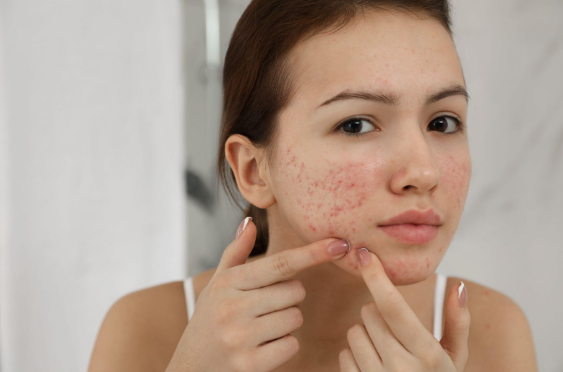
Understanding the profound impact of UV radiation on our skin is crucial for adopting protective measures. UV rays not only damage the DNA but also weaken the skin's natural defenses, making it more susceptible to various skin conditions. Melanoma, in particular, is a formidable adversary, spreading rapidly and posing a significant threat to one's life.
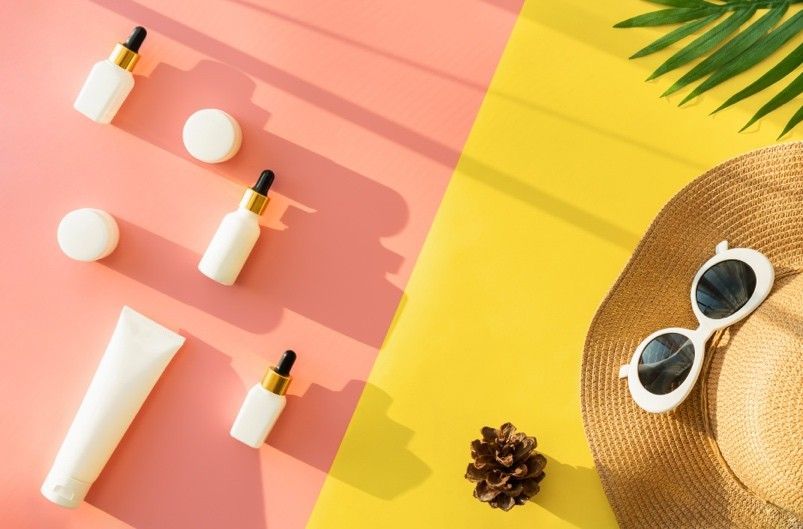
In light of these risks, it's essential to prioritize UV protection. Wearing
sunscreen with a high SPF, along with protective clothing and accessories like hats and sunglasses, can create a shield against the harmful effects of UV radiation. Regular skin screenings by dermatologists are also vital, enabling early detection and timely intervention if any suspicious changes occur.
Embracing Safe Alternatives
If you still want a sun-kissed glow, opt for safer alternatives like self-tanning lotions or spray tans, which are recommended by top dermatologists. These products can provide the desired effect without exposing your skin to harmful UV radiation. With advancements in cosmetic technology, self-tanners offer natural-looking results without the associated health risks. Plus, they come in various shades, allowing you to customize your tan to perfection.
Social Pressure: Navigating Beauty Standards in the Digital Age
We all know that these days, our feeds are flooded with influencers flaunting their perfect, sun-kissed bodies. It’s hard not to feel the pressure to look the same way, especially for young adults who are trying to find their place in the world.
Scrolling through Instagram or TikTok, you can't help but notice how tanned skin seems to be the ticket to fitting in. The message is clear: if you want to be attractive and accepted, you need that golden tan. It's like a trend that everyone's following, and it’s easy to get caught up in it.
The truth, however, is something different. It's vital to understand that real beauty isn’t just skin deep. It's not about having the perfect tan or looking a certain way to please others. True beauty comes from within—it's about confidence, kindness, and being comfortable in your own skin.
Amid these digital beauty standards, it's essential to remind ourselves that risking our health for the sake of fitting in is never a good idea. Embracing who we are, appreciating our natural skin tone, and focusing on our inner qualities will always shine brighter than any artificial tan. So let’s navigate the social pressure with confidence, knowing that our uniqueness is what truly makes us beautiful.
Breaking the Cycle
Breaking free from the addictive grip of indoor tanning might seem daunting, but it’s not impossible. First and foremost, awareness is key. Understanding the risks involved and the long-term consequences of frequent tanning sessions can serve as a powerful deterrent.
While the allure of indoor tanning may be tempting, it’s crucial to recognize the dangers it poses and the addictive cycle it can create. Your health and well-being should always be the top priority. So ditch the tanning bed, embrace your natural beauty, and bask in the sunshine responsibly—your skin will thank you for it in the long run! Stay safe, stay confident, and remember, you’re beautiful just the way you are.
At
Pine Belt Dermatology, we understand the complexities of skin health and the allure of a sun-kissed glow. Our team of experienced dermatologists is here to guide you on your journey towards radiant, healthy skin.
Schedule your appointment today and experience the top-notch services that set us apart.