Skin Deep: How Your Skin Can Reveal Underlying Health Issues
Skin Deep: How Your Skin Can Reveal Underlying Health Issues
Your skin, the body's largest organ, is a vital indicator of your overall health. Changes in its appearance can signal underlying medical conditions that may require attention. Whether it’s ensuring you’re getting the right nutrients, managing stress, or seeking professional care, being attuned to what your skin tells you makes it easier to stay on top of your health.
Why Understanding Skin Conditions Is Crucial for Your Health
The skin often reflects what’s going on internally, from persistent rashes to discoloration or unusual bumps. Recognizing these signs early can help address underlying health concerns of your skin and prevent long-term complications.
Here are some skin symptoms that may indicate underlying health issues:
Persistent Acne and Hormonal Imbalance
Acne is typically associated with adolescence, but if it persists into adulthood, particularly around the jawline, neck, and chest, it can indicate hormonal imbalances. These imbalances can arise from various factors such as stress, diet, or underlying conditions like polycystic ovary syndrome (PCOS).
It is a common condition among women and presents with symptoms like irregular periods, hair growth, and acne. Similarly, during pregnancy or menopause, fluctuating hormone levels can lead to acne flareups. If you're experiencing dry, flaky, and irritated skin despite using moisturizers, thyroid dysfunction could be to blame. In addition, you may experience other symptoms like fatigue, weight gain, or hair thinning.
Dark, Velvety Skin Patches and Insulin Resistance
Acanthosis nigricans (AN) is a condition characterized by dark, velvety patches of skin that often appear in body folds such as the neck, armpits, and groin. While AN itself is harmless, its presence can indicate underlying health problems, especially insulin resistance. This occurs when your body’s cells no longer respond to insulin, leading to elevated blood sugar levels.
It is often an early warning sign of metabolic syndrome—a group of risk factors that increase the likelihood of developing cardiovascular disease, stroke, and type 2 diabetes.
Yellowing of the Skin and Liver Problems
The liver is responsible for filtering out toxins from the blood, and any dysfunction can lead to the buildup of bilirubin. When the skin turns yellow, this may indicate jaundice, which is caused by an accumulation of bilirubin in the bloodstream. It is a yellow substance produced when the liver breaks down red blood cells.
Jaundice can be a sign of hepatitis, cirrhosis, or even liver cancer. It can also be associated with blockages in the bile duct or issues with the gallbladder. Early detection of liver issues can significantly improve treatment outcomes.
Redness and Rosacea
Persistent redness on the face, particularly on the cheeks, nose, and forehead, may be indicative of rosacea. This condition can present itself as visible blood vessels, acne-like pimples, or thickened skin. Rosacea is often triggered by environmental factors such as sun exposure, hot weather, alcohol, spicy food, and stress.
Though rosacea is not life-threatening, it can be embarrassing and uncomfortable. It has also been linked to certain health issues, including gastrointestinal conditions like small intestinal bacterial overgrowth (SIBO) and cardiovascular diseases. Through medications and lifestyle adjustments, you can help manage rosacea and improve skin appearance.
Butterfly Rash and Lupus
A butterfly-shaped rash across the cheeks and nose is a telltale sign of systemic lupus erythematosus (SLE), an autoimmune disease. Lupus occurs when the body's immune system mistakenly attacks healthy tissues, causing inflammation and damage. In addition to the facial rash, its symptoms may include fatigue, joint pain, photosensitivity, and kidney problems.
They can manifest in various ways, and the severity of symptoms can differ. If you notice this rash along with other potential lupus signs, it's important to consult with a healthcare provider for a comprehensive evaluation and proper management. Early diagnosis can help control the disease and prevent complications.
Non-Healing Sores and Skin Cancer
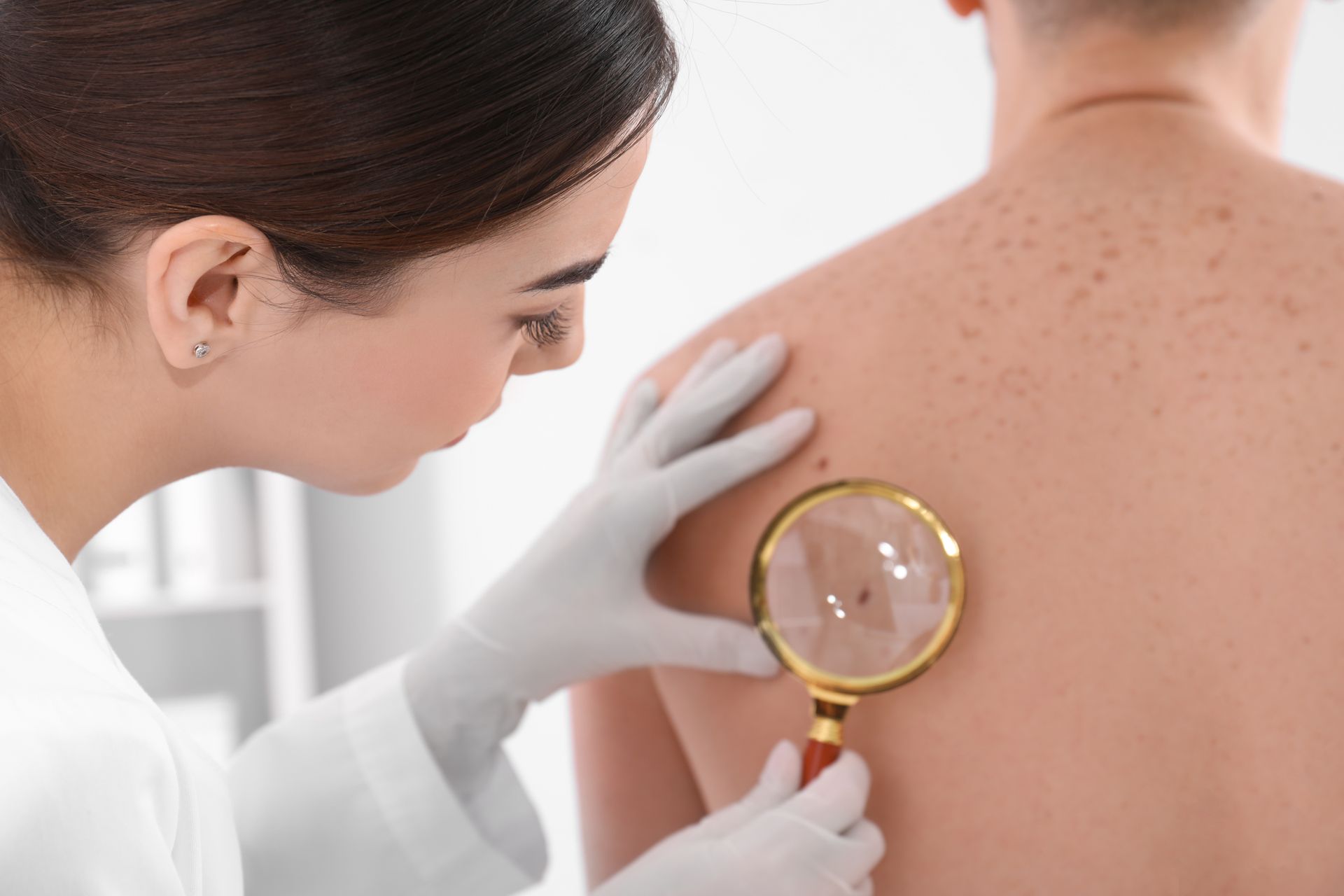
One of the warning signs of skin cancer is the development of sores or wounds that do not heal. These persistent sores may be a sign of basal cell carcinoma, squamous cell carcinoma, or even melanoma.
Basal cell carcinoma is the most common type of skin cancer and often appears as a pearly bump or a red patch that bleeds or crusts over. Squamous cell carcinoma may appear as a thickened, scaly patch, while melanoma is characterized by an irregularly shaped, dark mole that can change in size or color. If you notice any suspicious changes to your skin, especially sores that persist, it’s important to have them examined by a dermatologist.
Nail Changes and Systemic Conditions
Your nails are also an important indicator of your health, and changes in nail appearance can provide clues about internal issues. For instance, spoon-shaped nails, known as koilonychia, can signal iron deficiency anemia. If the nails are soft and spoon-shaped with raised edges, this condition warrants a blood test to check for anemia.
Clubbing, or the rounding of the nails, is another nail change that can indicate problems with the heart, lungs, or liver. Conditions like chronic obstructive pulmonary disease (COPD), cystic fibrosis, or cirrhosis are often associated with nail clubbing. Any sudden or unexplained
nail changes should prompt you to seek medical advice to rule out systemic conditions.
Skin Tags and Metabolic Syndrome
Skin tags are small, benign growths of skin that typically appear in areas where skin rubs against skin, such as the neck, armpits, and groin. While they are usually harmless, an increased number of skin tags can be a sign of metabolic syndrome. This syndrome is a cluster of conditions, including high blood pressure, high blood sugar, abnormal cholesterol levels, and excess abdominal fat, which together increase the risk of heart disease and type 2 diabetes.
Metabolic syndrome is a growing concern worldwide, and managing the underlying risk factors can prevent the progression to more serious conditions. If you notice a sudden increase in skin tags, it may be a good idea to consult a healthcare provider for an evaluation of your metabolic health and risk for cardiovascular diseases.
Frequent Bruising and Nutritional Deficiencies
Frequent bruising or easy bruising is often linked to nutritional deficiencies. For example, a lack of vitamin C can lead to weakened blood vessels, causing the skin to bruise more easily. Vitamin K is also essential for blood clotting, and a deficiency can result in excessive bruising.
Iron deficiency can contribute to skin pallor and easy bruising as well. If you notice bruising with minimal impact, it's important to check for possible deficiencies. Blood tests can help identify any vitamin or mineral imbalances, and dietary changes or supplements may be recommended to restore optimal health.
How Dermatologists Can Help You
Dermatologists are experts in diagnosing, treating, and managing a variety of skin conditions. Your skin is a reflection of your overall health, and seeing a dermatologist makes sure you’re addressing both cosmetic and medical concerns.
Here’s how dermatologists can be an invaluable resource for your skin health:
Diagnosing Skin Conditions
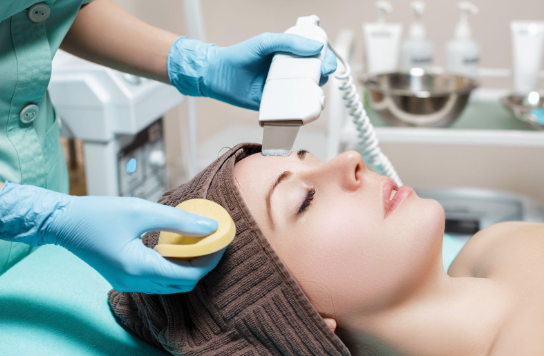
Many skin conditions have overlapping symptoms, making self-diagnosis difficult. Dermatologists use advanced tools like skin biopsies, allergy testing, and imaging techniques to pinpoint the exact cause of your skin concerns. Whether it’s acne, eczema, rosacea, or a more serious condition, an accurate diagnosis is the first step to effective treatment.
Treating Chronic Skin Conditions
Once a dermatologist diagnoses your skin issue, they can recommend treatments that may include topical creams, oral medications, or advanced procedures like light therapy or laser treatments. They can address chronic skin conditions such as eczema, psoriasis, and acne, providing more effective solutions than over-the-counter treatments. They can also guide you in managing flare-ups and improving skin health long-term.
Managing Acne Beyond Drugstore Treatments
Stubborn acne often requires more than just over-the-counter solutions. Dermatologists can prescribe medical-grade treatments like topical retinoids, oral antibiotics, or advanced therapies like chemical peels and laser treatments to reduce breakouts and minimize scarring.
Addressing Cosmetic Skin Concerns
From wrinkles and fine lines to hyperpigmentation and acne scars, dermatologists offer cosmetic treatments like Botox, fillers, microneedling, chemical peels, and laser therapy. These procedures help improve skin texture, tone, and overall appearance with safe, medically supervised solutions.
Additionally, they assess your skin type and concerns to recommend effective, science-backed products that support long-term skin health.
Proactive Steps to Maintain Healthy Skin
Taking the right preventive measures can help maintain its strength, prevent premature aging, and reduce the risk of serious skin conditions. Here’s how you can actively protect your skin and keep it in the best condition:
Monitor Skin Changes for Early Detection
Regular self-examinations are essential for identifying potential skin issues before they escalate. Pay close attention to new moles, persistent dryness, discoloration, or changes in existing spots. Warning signs such as asymmetry, irregular borders, or rapid growth should prompt a consultation with a dermatologist for further evaluation.
Implement Daily Sun Protection Measures
Applying broad-spectrum sunscreen with SPF 30 or higher daily—regardless of weather conditions—provides essential protection. Additional defense strategies include wearing protective clothing and incorporating antioxidants such as vitamin C to combat UV-induced oxidative stress.
Prioritize Restorative Sleep for Skin Regeneration
Insufficient rest can lead to increased inflammation, a dull complexion, and accelerated aging. Establishing a consistent sleep schedule and incorporating reparative overnight treatments, such as peptides and hydrating serums, can enhance skin recovery.
If you notice changes in your skin or simply want to improve your skincare routine, consulting our experts at
Pine Belt Dermatology can guide you to step toward optimal skin health.
Book your appointment with us today to keep your health vibrant!