At-Home Skin Care: Your Guide to Healthy and Glowing Skin

Bob Berendsen • October 30, 2023

At-Home Skin Care: Your Guide to Healthy and Glowing Skin

At-Home Skin Care: Your Guide to Healthy and Glowing Skin | Pine Belt Dermatology
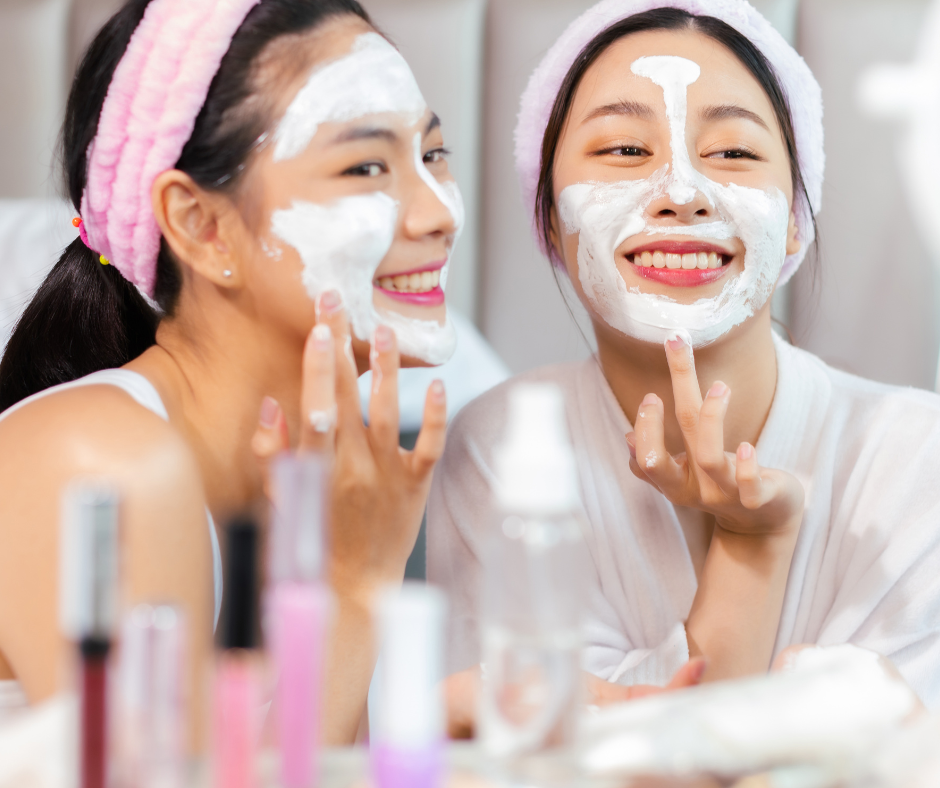
The key to soft and radiant skin often lies in our daily routines. Home-based skincare goes beyond mere daily practice; it signifies a dedication to the well-being of your skin and a much-desired glow. Regardless of whether you're new to skincare or a pro, understanding the foundational principles of home-based skincare holds utmost importance. Keep reading to delve into a customized routine tailored to your skin's individual requirements, guaranteeing a healthier and more radiant complexion.


Know Your Skin Type

Understanding your skin type is the crucial first step in achieving a tailored and effective skincare routine. Normal, oily, dry, combination, and sensitive are the major skin types, and they each have distinct characteristics and behaviors. Your skin is unique, just like you. Determining your skin type can be as simple as observing how your skin feels and reacts throughout the day.


Normal skin boasts balanced hydration, few imperfections, and a radiant appearance. Oily skin tends to be shiny with enlarged pores, while dry skin often feels tight and may display flakiness. Combination skin combines aspects of both oily and dry skin, often with an oily T-zone and drier cheeks. Sensitive skin is prone to redness, irritation, and reactions to certain products.


Recognizing your skin type not only guides you towards the right products but also helps you address specific concerns effectively. Pine Belt Dermatology's experts ensure that you can make informed choices, promoting healthier, happier skin that glows with confidence.


Building a Routine—and Sticking To It!

Your skin will thank you for having a daily regimen and sticking to it. Whether you're a minimalist or a maximalist, a well-rounded routine is your path to healthy and radiant skin. Consistency is the key for any skin care routine to be successful.


Start your mornings with a refreshing cleanse to rid your skin of overnight impurities. Follow up with a gentle toner to balance your skin's pH levels. Hydration is the next step; apply a lightweight moisturizer to lock in moisture and create a protective barrier. Here's the non-negotiable: sunscreen. Shield your skin from the sun's harmful rays with a broad-spectrum SPF.


Your evenings should be all about renewal. Begin by removing makeup and dirt with a thorough cleanse. Apply a targeted treatment like retinol or serum to address specific concerns. Finish with a nourishing night cream to rejuvenate your skin while you sleep.


Experts usually recommend tailoring these steps to your skin type and concerns, optimizing your routine for maximum benefits. Remember, consistency is where the magic happens, and with a dedicated routine, your skin will thank you by glowing with vitality.


Some Cleansing Techniques and Tips

Effective cleansing is crucial for maintaining healthy skin, ridding it of accumulated dirt, makeup, and dead skin cells. Proper cleansing prevents clogged pores, breakouts, and dull complexion. Tailoring cleansing techniques to one's skin type optimizes results. For oily skin, a foaming cleanser helps manage excess oil, while dry skin benefits from cream cleansers that provide hydration. Gel cleansers strike a balance for combination skin, addressing oily and dry areas. Delicate skin benefits from mild, fragrance-free cleansers to avoid irritation. Adopting the right cleansing routine involves gentle circular motions to stimulate blood flow. 


For sensitive areas, like those around the eyes, use a dedicated makeup remover. Double cleansing, starting with an oil-based cleanser followed by a water-based one, is ideal for thorough cleansing. By selecting suitable cleanser types and techniques, one can achieve skin that's not only clean but also radiant and well-nourished.


The Power of Exfoliation

Exfoliation is your skin's reset button, essential for unveiling a fresh and vibrant complexion. By sloughing away dead skin cells, exfoliation unclogs pores, refines texture, and stimulates cell turnover, leading to smoother, brighter skin.


Two main methods—physical and chemical exfoliation—offer distinct benefits. Physical exfoliation uses gentle scrubs to manually remove dead cells, while chemical exfoliation employs acids like glycolic or salicylic acid to dissolve them.


Finding the right balance is key. Over-exfoliation can lead to irritation. Experts suggest exfoliating 1-3 times a week for most skin types. Opt for mild exfoliants to begin with and adjust based on your skin's response.


Regular exfoliation, aligned with your skin's needs, is a transformative step. As you unveil the renewed radiance beneath, you'll be welcoming healthier, happier skin.


Sun Protection Is Non-Negotiable

Sun-protection isn't just a summer affair—it's a year-round commitment! Regular usage of sunscreen is your best defense against premature aging, sunspots, and even skin cancer.


Sunscreens can usually be classified into two—physical and chemical. Physical sunscreens sit on the skin's surface, deflecting UV rays with ingredients like zinc oxide or titanium dioxide. Chemical sunscreens, on the other hand, absorb and neutralize UV radiation.


Selecting the right SPF (Sun Protection Factor) depends on your skin type and sun exposure. A broad-spectrum SPF of 30 or higher is generally recommended. For oily skin, opt for a lightweight, non-comedogenic formula.


Remember, applying sunscreen is the grand finale of your morning routine. Allow it to fully absorb before stepping out. Consistent sun protection is an investment in your skin's health, ensuring it remains vibrant and youthful for years to come.


Healthy Lifestyle Habits for Radiant Skin

Radiant skin is more than skin-deep; it reflects your overall health and well-being. The relationship between lifestyle choices and skin health is profound. Let's delve into the crucial factors that impact your skin's radiance and vitality.


Diet
: A balanced diet rich in antioxidants, such as vitamins A, C, and E and omega-3 fatty acids is necessary to counter oxidative stress, inflammation, and premature aging. These nutrients protect skin cells from the damage caused by UV radiation and environmental pollutants, resulting in a healthy and clear complexion..


Hydration
: Maintaining proper levels of hydration is vital for maintaining skin elasticity and suppleness. Medical research published in the Journal of Clinical, Cosmetic, and Investigational Dermatology emphasizes the importance of adequate water intake in preventing dryness and promoting a youthful appearance.


Stress Management
: Chronic stress increases the release of cortisol, a hormone that can negatively impact skin health. Stress-induced inflammation can lead to skin issues like acne and eczema. Studies have reported that meditation, yoga, or deep breathing practices can improve skin conditions.


Sleep
: Quality sleep is essential for skin repair and regeneration. Sleep deprivation can lead to decreased skin barrier function, resulting in increased water loss and vulnerability to external irritants.


By adopting a lifestyle that prioritizes a balanced diet, proper hydration, stress management, and quality sleep, you're not only promoting overall health but also nurturing the radiant skin you desire. 


DIY Home Remedies - Yay or Nay?

When addressing the topic of at-home skincare routines, it becomes almost inevitable to touch upon the realm of homemade skincare solutions. Ranging from concoctions crafted in your kitchen to the utilization of natural ingredients, these approaches pledge affordability and a feeling of empowerment within your skincare regimen. Nevertheless, it is of utmost importance to carefully assess the advantages and disadvantages of such DIY remedies.


Pros of DIY Home Remedies:


Cost-Effective: DIY treatments are often more budget-friendly than commercial products, making them accessible to many.


Natural Ingredients: Many DIY recipes use natural ingredients, potentially reducing exposure to synthetic chemicals.


Customization: DIY allows you to tailor treatments to your specific skin concerns and preferences.


Cons of DIY Home Remedies:


Lack of Regulation: DIY recipes are not regulated, which means there's no quality control or standardized formulations.


Risk of Irritation: Natural doesn't always mean safe. Ingredients like lemon juice or essential oils can be harsh and cause skin irritation or allergies.


Ineffectiveness: Some DIY remedies lack scientific backing, making their efficacy uncertain.

While DIY options like honey masks or oatmeal scrubs can be safe and effective for some individuals, it's essential to proceed with caution. Patch testing is vital to check for adverse reactions, and if you have specific skin concerns, consulting a dermatologist is advisable. Striking a balance between DIY and professionally formulated products ensures that you enjoy the best of both worlds in your skincare journey.


When to Consult a Dermatologist

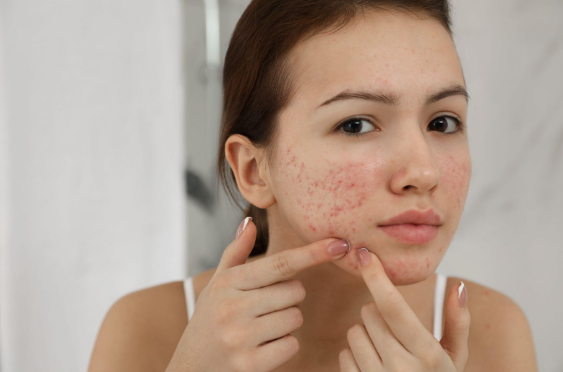
Consult a dermatologist if skin problems like acne, eczema, or unusual rashes persist despite over-the-counter treatments. Monitor new or changing moles, as they could—rarely, but possibly—indicate skin cancer. Chronic conditions like rosacea or vitiligo may require ongoing management. Seek help for severe allergic reactions, hair or nail concerns, and suspicious growths. Regular skin cancer screenings are vital, especially if you have a family history or risk factors. Prioritize your skin's health with professional guidance.

While at-home care forms the foundation of healthy skin, certain skin concerns may require professional attention. Reach out to a dermatologist if you struggle with persistent acne, unusual moles, or skin conditions that worsen. 


Pine Belt Dermatology specializes in intricate skin issues, offering tailored solutions. Combining your diligent at-home routine with their expertise ensures comprehensive care, paving the way for radiant, problem-free skin that reflects both self-care and professional guidance. Ready for your best skin yet? Schedule your appointment today!

July 31, 2026
At Pine Belt Dermatology & Skin Cancer Center , we understand that selecting the right skincare products can be challenging. While many over-the-counter (OTC) options promise results, not all skin concerns can be addressed with these products. Knowing the difference between OTC and prescription treatments helps you make educated decisions and recognize when to seek professional care. If you are treating acne, eczema, rosacea, or signs of aging, upgrading your treatment plan at the right time can improve your skin health and confidence. Understanding Over-the-Counter Skin Treatments Over-the-counter skincare products are available without a prescription and are intended for mild to moderate skin concerns. When used consistently, many contain ingredients that help maintain healthy skin. Common OTC ingredients include: Salicylic acid for acne Benzoyl peroxide to reduce acne-causing bacteria Retinol for fine lines and uneven texture Hydrocortisone cream for minor itching and irritation Moisturizers with ceramides or hyaluronic acid to heal the skin barrier These products are a good starting point for mild conditions. However, because OTC treatments use lower-strength active ingredients, they may not be effective for chronic or serious skin issues. When Prescription Skin Treatments May Be Necessary Prescription treatments use stronger active ingredients and are customized to your specific skin condition. A dermatologist can diagnose the underlying cause and recommend medications that address the problem more effectively than OTC products. Prescription treatments may include: Oral medications for moderate to severe acne Prescription-strength retinoids Medications to manage eczema or psoriasis Treatments for rosacea and chronic redne Prescription creams for hyperpigmentation or melasma Antifungal or antibacterial medications for skin infections These therapies are chosen based on your medical history, skin type, and treatment goals to maximize results and minimize side effects. Time to Upgrade Your Treatment While many start with OTC products, some situations require a dermatology appointment. Consider seeing a dermatologist if: Your skin condition has not improved after several weeks of steady OTC treatment. Acne is causing painful cysts, nodules, or permanent scarring. Rashes, redness, or irritation continue to worsen. You experience frequent flare-ups of eczema, psoriasis, or rosacea. You notice new or changing skin growths or unusual spots. Your skin concern is affecting your confidence or quality of life. Early treatment has the potential to prevent conditions from getting worse and minimize the chances of long-term skin damage. Why Professional Assessment Matters Many skin conditions look similar, making self-diagnosis challenging. For example, stubborn acne may be rosacea, and chronic dry patches could indicate eczema, psoriasis, or another condition. A board-certified dermatologist can accurately diagnose your skin concern and develop a customized treatment plan. Professional guidance also helps you avoid spending time and money on ineffective products. Healthy Skin Starts with the Right Treatment Over-the-counter products are important for daily skincare, but they may not treat complex or persistent concerns. Transitioning to prescription treatment at the right time can greatly improve your skin’s appearance and long-term health. At Pine Belt Dermatology & Skin Cancer Center , our team offers complete evaluations and customized treatment plans for acne, eczema, rosacea, hyperpigmentation, skin cancer screenings, and other skin conditions. If your current skincare routine is not resulting in success, we are here to help you achieve healthier, more confident skin. 
June 29, 2026
At Pine Belt Dermatology & Skin Cancer Center, we believe education is key to protecting and maintaining healthy skin. July is significant for skin health, featuring both UV Safety Awareness Month and World Skin Health Day on July 8 . These occasions highlight the importance of sun protection and raise awareness of common concerns, such as hyperpigmentation and melasma . Understanding how ultraviolet (UV) exposure affects your skin helps prevent long-term damage and supports a healthier, more even complexion. Why UV Protection Matters The sun emits ultraviolet rays that can damage skin even on cloudy days. While many associate UV exposure with sunburn, its effects are broader. Repeated UV exposure accelerates skin aging, increases skin cancer risk, and contributes to pigmentation disorders. Common effects of excessive UV exposure include: • Sunburn and skin irritation • Premature aging, including fine lines and wrinkles • Dark spots and uneven skin tone • Increased risk of skin cancer • Worsening of hyperpigmentation and melasma Daily sun protection is one of the most effective ways to maintain healthy skin and reduce preventable damage. What Is Hyperpigmentation? Hyperpigmentation is a common condition where areas of skin become darker than the surrounding tissue due to excess melanin production. Multiple factors can contribute to hyperpigmentation, including: • Sun exposure • Acne scars and inflammation • Hormonal changes • Skin injuries or irritation • Certain medications While hyperpigmentation is mostly harmless, many seek treatment to improve skin tone as well as restore confidence. Understanding Melasma Melasma is a type of hyperpigmentation that shows up as brown or gray-brown patches, typically on the cheeks, forehead, nose, and upper lip. Melasma is frequently associated with: • Hormone changes during pregnancy • Birth control medications • Hormone replacement therapy • Genetic predisposition • Sun exposure Although melasma is not dangerous, it can be difficult to treat because UV exposure frequently triggers or worsens it. Even minimal sun exposure can increase pigment production and make discoloration more noticeable. Protecting Your Skin from UV Damage Whether you are concerned about skin cancer, hyperpigmentation, or melasma, daily sun protection is essential. Dermatologists suggest: • Using sun lotion with SPF 30 or higher every day • Reapplying sunscreen every two hours when outdoors • Wearing wide-brimmed hats and protective clothing • Seeking shade during peak sunlight hours • Wearing UV-protective sunglasses • Avoiding tanning beds Consistent sun protection helps prevent new pigmentation issues. World Skin Health Day: A Reminder to Prioritize Skin Care Observed annually on July 8, World Skin Health Day encourages preventive steps to maintain healthy skin. This is a reminder to perform regular self-exams, schedule dermatology visits, and address concerns early. If you notice persistent dark spots, changes in pigmentation, or new skin lesions, seek an expert assessment to determine the cause and identify treatment options. Supporting Healthy Skin Year-Round UV Safety Awareness Month and World Skin Health Day remind us that protecting your skin is an investment in long-term health. Practicing sun safety and understanding conditions like hyperpigmentation and melasma help preserve your skin’s health, appearance, and function. At Pine Belt Dermatology & Skin Cancer Center, our team provides personalized evaluations and treatments for pigmentation concerns, sun-damaged skin, and overall skin health. Plan a visit and learn how we can help you achieve healthier, more confident skin.
Winter Skin Care vs. Summer Skin Care: What Changes?
June 1, 2026
At Pine Belt Dermatology & Skin Cancer Center, we understand that your skin’s needs change with the seasons. What works during the cold, dry winter months may not...
Nail Health: What Your Nails Say About Your Skin and Body
May 1, 2026
At Pine Belt Dermatology & Skin Cancer Center, we believe your nails are more than a cosmetic feature—they give valuable insight into...
April 13, 2026
When a ‘Rash’ Might Be Something More Serious At Pine Belt Dermatology & Skin Cancer Center, we recognize that rashes are common and frequently resolve quickly with minimal treatment. However, some rashes may signify underlying conditions that require prompt medical attention. Identifying when a rash is more than a minor irritation is key to protecting your health. Comprehending Common vs. Concerning Rashes Most everyday rashes result from irritants, allergies, heat, or minor infections and typically improve within a few days with over-the-counter treatments. However, if a rash lasts longer, worsens, or appears with other symptoms, it may signal a more serious issue. Identifying the difference between a routine rash and one that requires medical evaluation helps avoid complications and ensure appropriate care. Warning Signs to Watch For Certain features may indicate a rash requires clinical assessment, including: Rapidly spreading or worsening rash Severe pain, swelling, or blistering Signs of infection such as pus, warmth, or red streaks Fever or flu-like symptoms accompanying the rash A rash that does not improve after several days of treatment Dark, purple, or bruised-looking areas on the skin For example, a rash with fever may indicate a viral or bacterial infection, whereas painful blistering can suggest conditions such as shingles. In rare cases, rashes may signal autoimmune disorders or severe allergic reactions. Rashes That May Point to Underlying Conditions Some rashes may be linked to broader health concerns, including conditions that cause inflammation in the skin and other organs: Allergic reactions that may escalate into further severe responses Infections that spread beyond the skin if untreated Medication reactions that require immediate adjustment Persistent or unusual skin changes may be early signs of skin cancer or precancerous conditions, especially if they do not heal or continue to change over time. Why Early Evaluation Matters Delaying care for a worrisome rash may allow the underlying condition to progress. Early diagnosis improves treatment outcomes and helps prevent discomfort and complications. A dermatology specialist can assess the rash’s appearance, location, and progression, and may recommend diagnostic tests if needed. This approach assures treatment addresses the underlying cause, not just the visible symptoms. When to See a Dermatology Specialist If you are unsure about your rash, it is best to err on the side of caution. Consider seeking care if: The rash is persistent, painful, or unusual in appearance Over-the-counter treatments are not effective You experience additional symptoms such as fever or fatigue The rash interferes with your daily comfort or quality of life At Pine Belt Dermatology & Skin Cancer Center, our experienced providers supply comprehensive skin evaluations and customized treatment plans. We take time to understand your symptoms and deliver clear, effective solutions tailored to your needs. Protecting Your Skin and Your Health While many rashes are minor, some may be early warning signs of more serious health concerns. Monitoring skin changes and pursuing prompt medical advice can produce a notable effect. If you notice a rash that does not seem right, do not ignore it. Schedule a consultation with Pine Belt Dermatology & Skin Cancer Center for expert evaluation and peace of mind. Your skin is an important indicator of your overall health, and taking it seriously supports ongoing well-being.
The Link Between Stress & Skin Conditions | Pine Belt Dermatolog
By Bob Berendsen March 1, 2026
At Pine Belt Dermatology & Skin Cancer Center, we know that healthy skin is affected by more than just external care—it’s related to your overall health...
UV Light Therapy for Scalp Psoriasis | Pine Belt Dermatology
By Bob Berendsen February 5, 2026
Here’s how UV light therapy works, why it is useful for scalp psoriasis during winter, what to expect from treatment, and how to use it safely.
Dermatologist-Approved Tips for Safe and Effective Skincare | Pine Belt Dermatology
By Bob Berendsen January 1, 2026
A truly effective skincare routine should be tailored to your needs, protect your natural barrier, and target concerns with proven ingredients.
Psoriasis During the Winter Season | Pine Belt
By Bob Berendsen December 2, 2025
The cold, dry air outside combined with indoor heating can strip away your skin’s natural moisture, leaving it tight, flaky, and more vulnerable to irritation.
Winter Skin Survival Guide: How to Combat Dryness | Pine Belt Dermatology
By Bob Berendsen November 4, 2025
At Pine Belt Dermatology, we understand how winter weather affects your skin and how frustrating it can be to deal with the discomfort that comes with it.