August 28, 2026
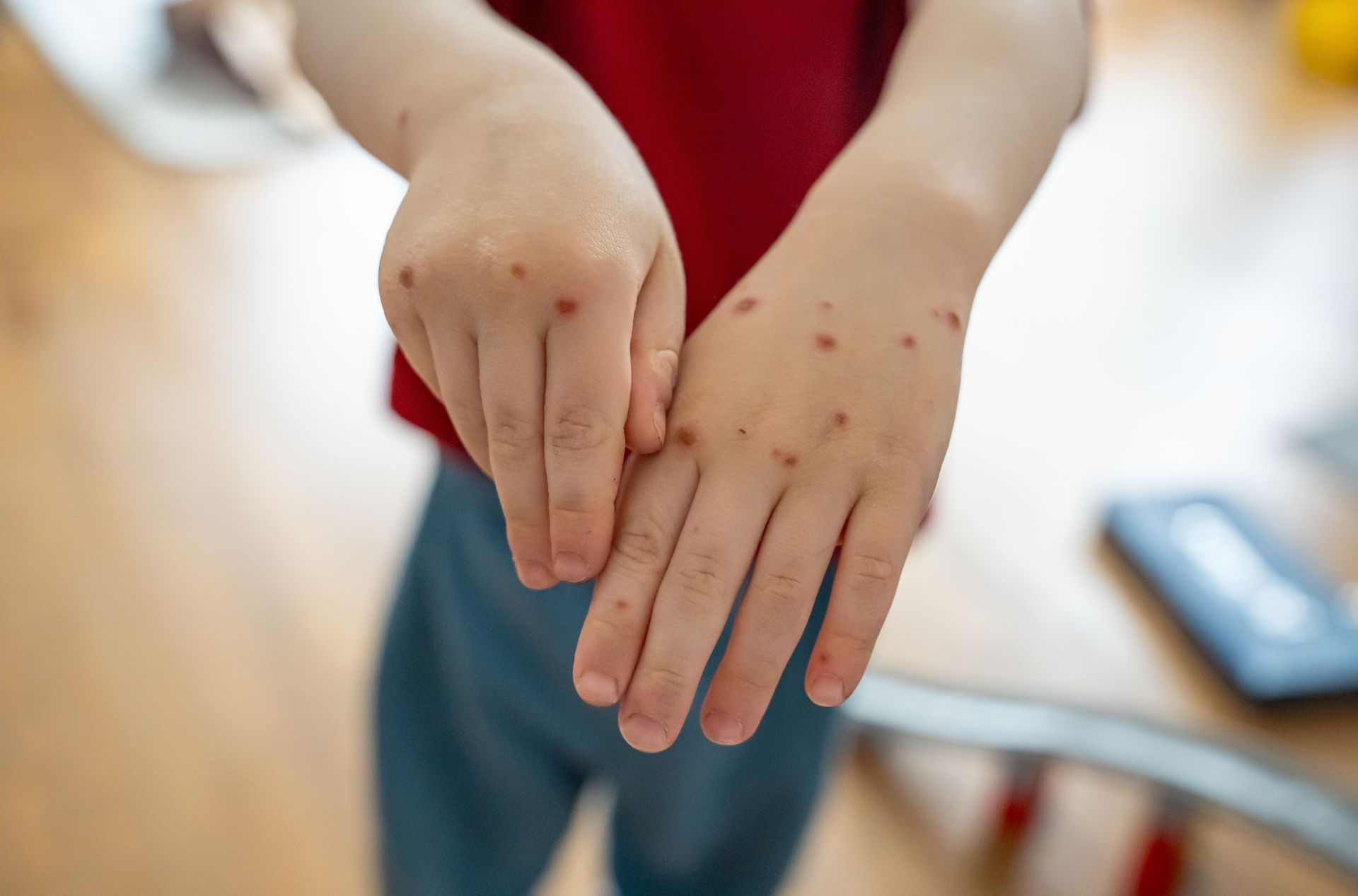
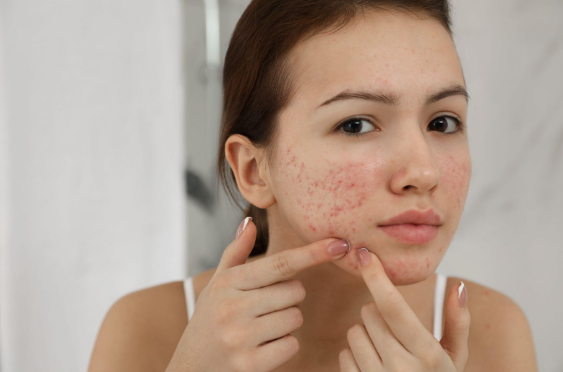
At Pine Belt Dermatology & Skin Cancer Center , we recognize that children may face different skin issues as they grow. Some conditions are temporary and manageable with basic skincare, while others require expert assessment. Recognizing common skin conditions helps parents and caregivers determine when to consult a dermatologist. Understanding your child’s skin health, including conditions like eczema, acne, warts, and rashes, is essential for their comfort and confidence. Common Skin Conditions in Children Children may develop many of the same skin conditions as adults, though their symptoms and treatment needs often differ. Common pediatric skin conditions include: Eczema: Often causes dry, itchy, red, or irritated patches of skin. Eczema can flare up because of weather, irritants, allergies, or other triggers. Acne: As children enter puberty, hormonal changes may lead to clogged pores, blackheads, whiteheads, and pimples. Warts: Caused by a viral infection, warts are common in children and often appear on the hands, fingers, feet, or around the nails. Molluscum contagiosum: This common childhood skin infection can cause small, raised bumps that may spread through skin-to-skin contact. Rashes: Children may develop rashes from allergies, infections, insect bites, medications, or contact with irritating substances. Birthmarks: Many birthmarks are harmless, but a medical professional should evaluate any changes in their appearance. While most childhood skin conditions are not serious, a medical professional should evaluate persistent or changing symptoms. When Should Your Child See a Dermatologist? Parents ought to schedule a dermatology appointment if a skin concern does not improve with basic care or begins to affect a child’s daily life. A dermatologist may be recommended if your child experiences: A persistent rash, itching, or skin irritation Eczema that frequently flares or does not respond to basic skincare Moderate or severe acne, particularly if it is painful or causing scarring Warts or other growths that continue to spread or return Skin infections that require treatment A changing, bleeding, or unusual mole or birthmark A skin condition that causes discomfort, embarrassment, or affects your child’s confidence A recurring skin problem without an obvious cause Early evaluation helps decipher the underlying cause and secures timely, appropriate treatment. Why Pediatric Dermatology Matters Children’s skin differs from adult skin and is often extra sensitive to certain products and treatments. Using inappropriate medications or skincare products may worsen irritation. A dermatologist can evaluate your child’s symptoms, determine whether a condition requires treatment, and recommend options appropriate for their age and skin type. Specialist support can also help parents understand how to handle chronic conditions and reduce future flare-ups. Supporting Healthy Skin at Home Consistent daily skincare helps protect your child’s skin. Use gentle, fragrance-free products, moisturize regularly, avoid known irritants, and encourage children not to scratch irritated areas to maintain a healthy skin barrier. However, home care may not always be sufficient. If symptoms persist, worsen, or cause significant discomfort, seek expert evaluation for guidance and reassurance. Healthy Skin Starts Early Many childhood skin conditions are manageable when identified early. Knowing when to seek professional care for eczema, acne, warts, recurring rashes, or other concerns can make a big difference. At Pine Belt Dermatology & Skin Cancer Center , we provide comprehensive dermatology care for patients of all ages. If your child has a persistent, changing, or concerning skin condition, our team can identify the cause and develop a treatment plan to support healthy skin.