Skin Cancer - Who is Most at Risk

Bob Berendsen • August 2, 2021

Who is Most Likely to Get Skin Cancer

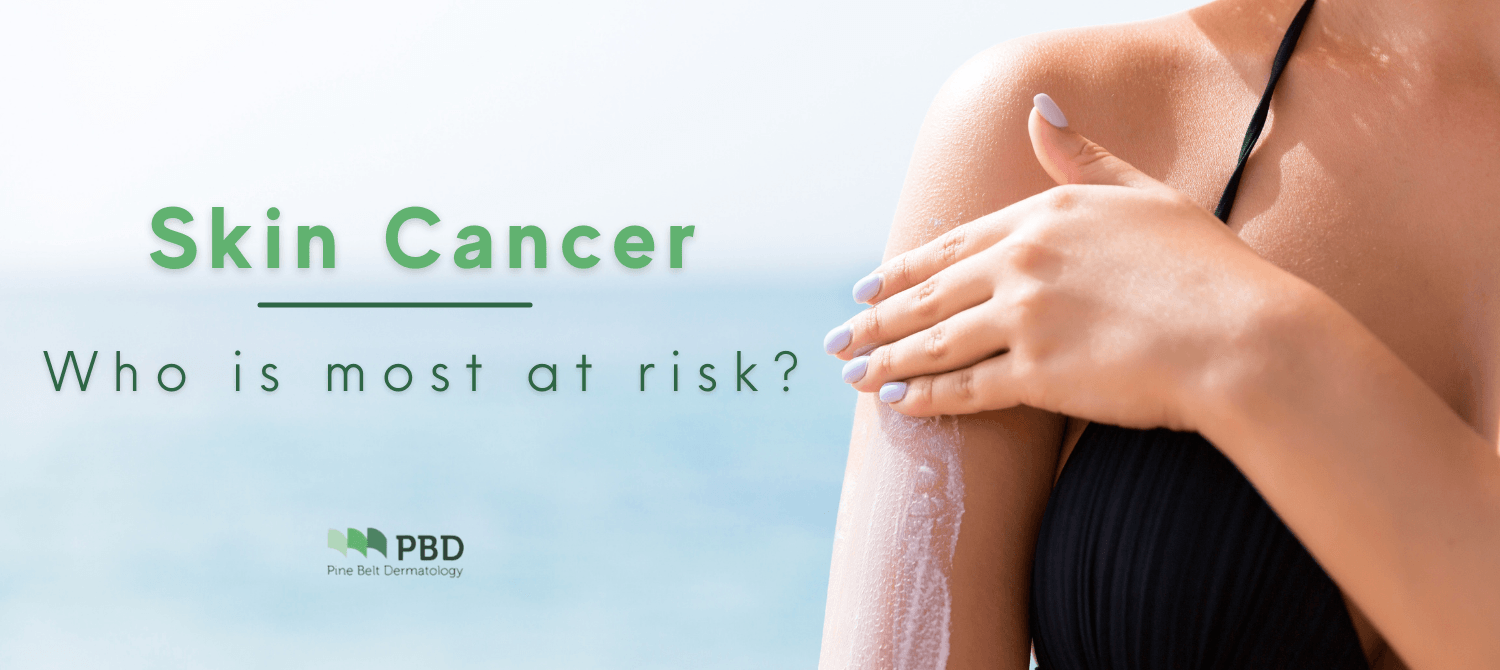
woman putting on sun screen

Skin cancer affects 5.4 million people every year. There are many different factors that increase the risk of skin cancer and who is the most affected. Read on to learn more about the people who are most at risk of developing skin cancer.


People Who Have Previously Been Diagnosed With Skin Cancer

Those who have already had skin cancer in the past have a higher risk of developing it again. Although research is limited, it may be due to excessive sun exposure. It's important to always wear sunscreen, even while spending time indoors. You can also cover up to block the sun and protect your skin. Choose dark clothing that isn't too loose and is tight on the skin. You can also opt for wearing a large hat that has a wide brim to ensure your face is protected.


It's important to always apply sunscreen year-round and to use a product that has at least SPF 30. Sunscreen needs to be reapplied every two hours, and even more frequently if you're spending time in the water because it's prone to rinsing off easily.


A family history of skin cancer can also make you prone to developing the disease. It's important to be extra cautious if you have a parent or sibling who has had skin cancer in the past. The increased risk may be due to the skin type of the family if they're all fair-skinned. Non-melanoma skin cancer also runs in families due to genes that are inherited. Those who have a parent that has been diagnosed with squamous cell skin cancer are also at a higher risk of developing the same condition at some point during their lives.


It's important to regularly examine your skin and look for any changes in moles that are present. Use mirrors to look at moles or growths that are present on your back, ears, neck, hands, and under your arms. Experts recommend avoiding exposure to artificial UV rays, which means staying away from sunbeds.


People Who Spend a Lot of Time in the Sun

Research shows that most skin cancers are caused by sun exposure. Spending too much time outdoors without any protection significantly increases the risk of developing skin cancer. Those who have a history of getting sunburned are more likely to develop the disease. This includes farmers, construction workers, and even gardeners.


Those who live in high-altitude climates or areas where a lot of sun is always present are also prone to being more at risk of melanoma. The sun is a lot stronger when you live at a higher elevation.


Experts recommend avoiding exposure to the sun in the middle of the day when the UV rays are the strongest. This means staying indoors between the hours of 10 a.m. and 4 p.m. This will make it easier to avoid getting burned while still getting time to spend outside.


Wearing sunglasses any time you're outdoors is a great way of protecting yourself. Look for sunglasses that are made to block UV rays. It's also important to reduce your use of prescription medications that cause you to become more sensitive to the sun.


People Who Have a Lot of Moles

Those who have a lot of moles are also at a higher risk of getting skin cancer because moles can turn into skin cancer. Although most moles don't cause issues, there are atypical moles that can be problematic, especially when they have an unusual color shade or shape. Some moles that are cancerous are larger than most moles and develop after the skin is exposed to the sun. In some cases, they can still develop on areas on the skin that are covered.


Getting routine skin exams is necessary to ensure a dermatologist can monitor the moles and detect any changes that develop. Pictures may be taken to make it easier to determine if and when the moles change.


Skin lesions may also be present and have to be tested to determine if they're pre-cancerous. This increases the risk of skin cancer and is often present on the face. You may notice the growths feel rough and scaly. They can vary in their color shade but are typically light pink or brown. You may also notice them on the hands and head.


People Who Have a Weakened Immune System

Those who have a weakened immune system are more vulnerable to diseases like skin cancer because the body doesn't have as much strength to ward off ailments and diseases. Those who undergo organ transplants receive prescription medications from doctors, which are known to weaken the immune system to ensure the new organ isn't rejected. Some people have an increased risk of developing skin cancer when this occurs. Others who have HIV can also develop melanoma a lot easier than someone who has a stronger immune system.


You'll also put yourself at risk if you have exposure to radiation. Exposure to different types of substances like arsenic can also lead to skin cancer. Too much exposure to different types of toxins can also increase the risk of developing skin cancer, making it necessary to try and eat a clean diet while limiting your use of cleaning products with chemicals and added ingredients.


Understanding who is the most at risk of developing skin cancer can make it a lot easier to learn how to protect yourself and stay healthy as you get older. It can also make it possible to work closely with a dermatologist to ensure you can detect early signs of the disease. If you have questions or concerns, the team at Pine Belt Dermatology is here to help. Visit our website or get in touch with us today.

Nail Health: What Your Nails Say About Your Skin and Body
May 1, 2026
At Pine Belt Dermatology & Skin Cancer Center, we believe your nails are more than a cosmetic feature—they give valuable insight into...
April 13, 2026
When a ‘Rash’ Might Be Something More Serious At Pine Belt Dermatology & Skin Cancer Center, we recognize that rashes are common and frequently resolve quickly with minimal treatment. However, some rashes may signify underlying conditions that require prompt medical attention. Identifying when a rash is more than a minor irritation is key to protecting your health. Comprehending Common vs. Concerning Rashes Most everyday rashes result from irritants, allergies, heat, or minor infections and typically improve within a few days with over-the-counter treatments. However, if a rash lasts longer, worsens, or appears with other symptoms, it may signal a more serious issue. Identifying the difference between a routine rash and one that requires medical evaluation helps avoid complications and ensure appropriate care. Warning Signs to Watch For Certain features may indicate a rash requires clinical assessment, including: Rapidly spreading or worsening rash Severe pain, swelling, or blistering Signs of infection such as pus, warmth, or red streaks Fever or flu-like symptoms accompanying the rash A rash that does not improve after several days of treatment Dark, purple, or bruised-looking areas on the skin For example, a rash with fever may indicate a viral or bacterial infection, whereas painful blistering can suggest conditions such as shingles. In rare cases, rashes may signal autoimmune disorders or severe allergic reactions. Rashes That May Point to Underlying Conditions Some rashes may be linked to broader health concerns, including conditions that cause inflammation in the skin and other organs: Allergic reactions that may escalate into further severe responses Infections that spread beyond the skin if untreated Medication reactions that require immediate adjustment Persistent or unusual skin changes may be early signs of skin cancer or precancerous conditions, especially if they do not heal or continue to change over time. Why Early Evaluation Matters Delaying care for a worrisome rash may allow the underlying condition to progress. Early diagnosis improves treatment outcomes and helps prevent discomfort and complications. A dermatology specialist can assess the rash’s appearance, location, and progression, and may recommend diagnostic tests if needed. This approach assures treatment addresses the underlying cause, not just the visible symptoms. When to See a Dermatology Specialist If you are unsure about your rash, it is best to err on the side of caution. Consider seeking care if: The rash is persistent, painful, or unusual in appearance Over-the-counter treatments are not effective You experience additional symptoms such as fever or fatigue The rash interferes with your daily comfort or quality of life At Pine Belt Dermatology & Skin Cancer Center, our experienced providers supply comprehensive skin evaluations and customized treatment plans. We take time to understand your symptoms and deliver clear, effective solutions tailored to your needs. Protecting Your Skin and Your Health While many rashes are minor, some may be early warning signs of more serious health concerns. Monitoring skin changes and pursuing prompt medical advice can produce a notable effect. If you notice a rash that does not seem right, do not ignore it. Schedule a consultation with Pine Belt Dermatology & Skin Cancer Center for expert evaluation and peace of mind. Your skin is an important indicator of your overall health, and taking it seriously supports ongoing well-being.
The Link Between Stress & Skin Conditions | Pine Belt Dermatolog
By Bob Berendsen March 1, 2026
At Pine Belt Dermatology & Skin Cancer Center, we know that healthy skin is affected by more than just external care—it’s related to your overall health...
UV Light Therapy for Scalp Psoriasis | Pine Belt Dermatology
By Bob Berendsen February 5, 2026
Here’s how UV light therapy works, why it is useful for scalp psoriasis during winter, what to expect from treatment, and how to use it safely.
Dermatologist-Approved Tips for Safe and Effective Skincare | Pine Belt Dermatology
By Bob Berendsen January 1, 2026
A truly effective skincare routine should be tailored to your needs, protect your natural barrier, and target concerns with proven ingredients.
Psoriasis During the Winter Season | Pine Belt
By Bob Berendsen December 2, 2025
The cold, dry air outside combined with indoor heating can strip away your skin’s natural moisture, leaving it tight, flaky, and more vulnerable to irritation.
Winter Skin Survival Guide: How to Combat Dryness | Pine Belt Dermatology
By Bob Berendsen November 4, 2025
At Pine Belt Dermatology, we understand how winter weather affects your skin and how frustrating it can be to deal with the discomfort that comes with it.
Why Breakouts Increase in Cooler Weather | Pine Belt
By Bob Berendsen October 1, 2025
Acne is often thought of as a summer skin concern. However, many people notice that their breakouts actually worsen in the fall.
Sun Damage Doesn’t Stop in Fall: Why Year-Round SPF Is Essential | Pine Belt Dermatology
By Bob Berendsen September 1, 2025
This blog explores why SPF isn’t just a summer essential—it’s a daily requirement, no matter the season.
How to Reverse Sun Damage and Hyperpigmentation | Pine Belt
By Bob Berendsen August 1, 2025
Fortunately, with the right approach and treatments, you can begin reversing these effects and restore your skin’s health and radiance.