What Is Alopecia: Everything You Need to Know
Hair loss can be incredibly stressful for anyone. It makes you feel vulnerable and can affect your self-esteem. Alopecia is a condition where a person's hair falls out. It might refer to particular kinds of hair loss, like alopecia areata or alopecia universalis. Hair loss may be temporary or permanent. If you are experiencing hair loss, it is important to seek professional help. Let’s dive in deep to know everything about the condition.
Meaning of Alopecia
Alopecia is a condition that causes hair loss. It can occur on the scalp, face, or body. There are several types of alopecia, each with its own cause. The most common form of alopecia is male pattern baldness, which affects men of all ages. Alopecia can be temporary or permanent. It can be caused by a variety of factors, including medical conditions, medications, genetics, and stress. The cause of alopecia is unknown, but it is believed to be related to a combination of genetic and hormonal factors.
Who can get Alopecia Areata?
Alopecia Areata is a type of hair loss that can occur in both men and women of any age. It is characterized by the sudden onset of patchy hair loss, which can occur on the scalp, face, or other parts of the body. Although the exact cause of alopecia areata is unknown, it is believed to be an autoimmune disorder in which the body's immune system attacks the hair follicles. There is no cure for alopecia areata, but treatments are available that can help to improve the appearance of the hair.
Types of Alopecia
Hair loss can also be caused by a variety of lifestyle and health factors that can affect your hair's overall health. This blog will discuss the various types of alopecia that can cause hair loss, how these conditions are diagnosed, and the different types of hair loss treatments available.
Alopecia Areata Totalis
Alopecia areata totalis is a type of alopecia that results in the complete loss of hair on the scalp. This condition can be devastating for those affected, as it can cause a great deal of psychological distress.
There is no known cure for alopecia areata totalis, but there are treatments that can help to improve the condition.
Alopecia Areata Universalis
Alopecia areata universalis is a type of alopecia that affects the entire body. This condition can cause complete baldness, as well as loss of eyebrows, eyelashes, and body hair. Alopecia areata Universalis is thought to be an autoimmune disorder, where the body's immune system attacks the hair follicles.
Diffuse Alopecia Areata
There are many different types of alopecia, but one of the most common is diffuse alopecia areata.
This type of hair loss can affect both men and women of all ages, and it typically results in patchy hair loss on the scalp. In some cases, the hair loss may be more extensive, and it can even lead to thinning.
Diffuse alopecia areata is thought to be caused by an autoimmune reaction, where the body's immune system mistakenly attacks the hair follicles.
Ophiasis Alopecia Areata
This type of alopecia is characterized by hair loss that typically occurs in a banded pattern, with bald patches appearing in a wave-like pattern along the sides and back of the head. Ophiasis alopecia areata can be difficult to treat, and there is no cure. However, some treatments may help to improve the appearance of the hair and prevent further hair loss. If you think you may have any alopecia symptoms, it is important to see a doctor or dermatologist for a diagnosis and to discuss your treatment options.
Symptoms of Alopecia
There are a few distinct types of alopecia, each with different symptoms. The most common type is androgenic alopecia, which is also known as male pattern baldness. This type of alopecia is characterized by a receding hairline and thinning hair on the crown of the head. Other symptoms may include a diffuse loss of hair on the scalp or complete baldness.
It is characterized by the patchy hair loss on the scalp. This type of alopecia can affect people of any age but is most common in those between the ages of 20 and 30. Other symptoms may include itching or burning of the scalp and hair loss in other parts of the body.
Scarring alopecia is a less common type of alopecia but can be more severe. This type of alopecia is characterized by permanent hair loss due to damage to the hair follicles. Scarring alopecia can be caused by a variety of factors, including certain autoimmune diseases, chemotherapy, and radiation therapy.
Hair Loss
There are many different symptoms of alopecia, and they can vary depending on the type of alopecia.
However, one of the most common symptoms is hair changes. This can include thinning hair, hair loss, and changes in the texture of the hair. In some cases, the hair may become brittle and break easily. In other cases, the hair may become softer and finer. In severe cases of alopecia, all hair on the scalp may be lost.
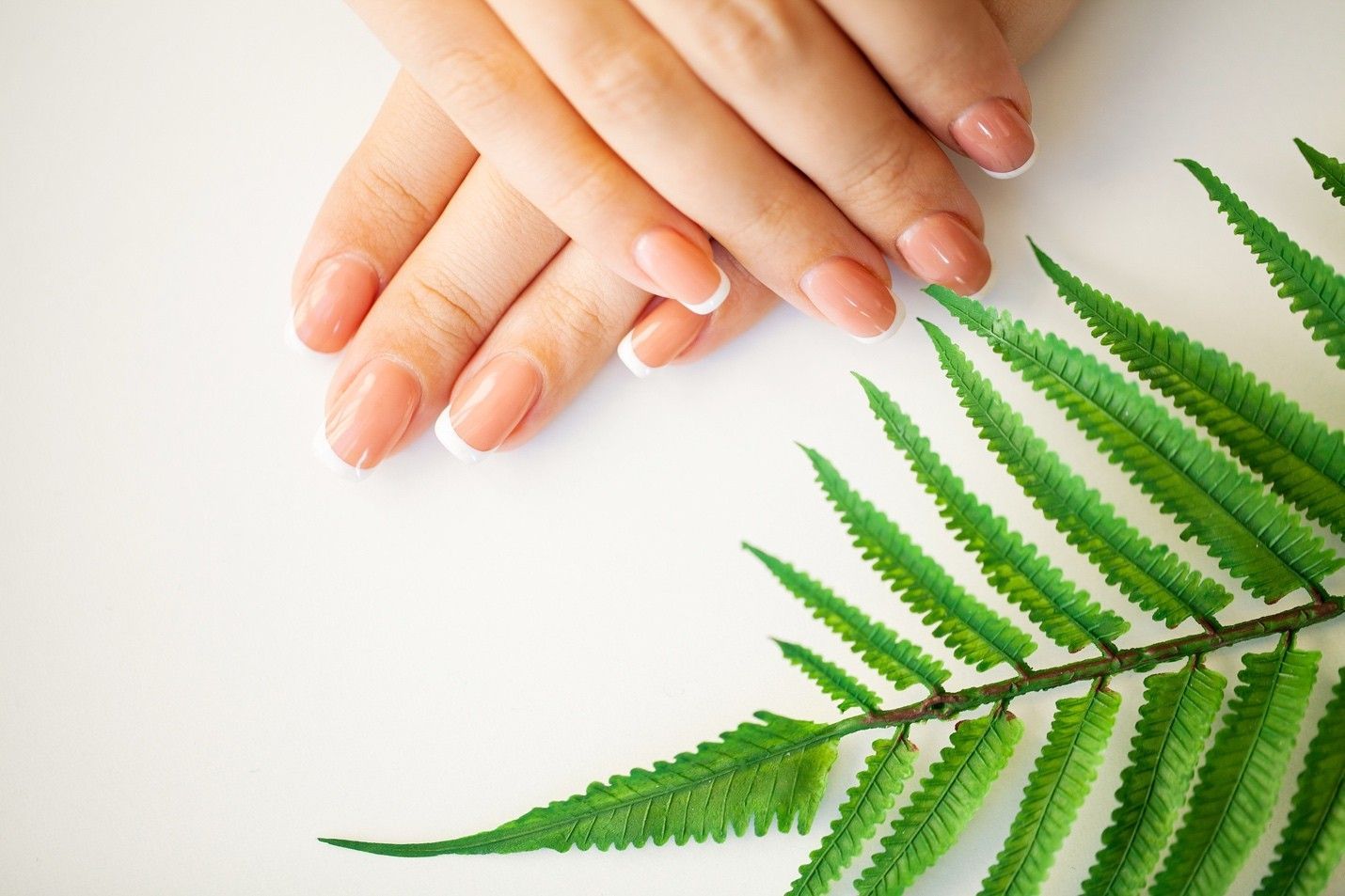
Nail Changes
Nails may be affected in several ways in people with alopecia. They may become thin and brittle, and the nails may have ridges, pits, or be spoon-shaped. The nails may also separate from the nail bed. In severe cases, the nails may become deformed or completely disappear.
Causes and Complications
Alopecia is a medical condition that can cause hair loss on the scalp and other parts of the body. There are several types of alopecia, each with different causes and risks.
Alopecia areata is thought to be caused by an autoimmune reaction in which the body's immune system mistakenly attacks the hair follicles. This type of alopecia can affect anyone at any age but is most common in people aged 15-29. The exact cause is unknown, but it is believed to be linked to genetic, hormonal, and environmental factors.
Alopecia totalis is a more severe form of alopecia areata, in which all of the hair on the scalp is lost. This form of alopecia is also thought to be caused by an autoimmune reaction, but the exact cause is unknown.
Alopecia Universalis is the most severe form of alopecia, in which all hair on the entire body is lost. This form of alopecia is also thought to be caused by an autoimmune reaction, but the exact cause is unknown.
The risks of alopecia vary depending on the type. Alopecia areata usually only results in hair loss on the scalp but can occasionally lead to more severe forms of alopecia. Alopecia totalis and alopecia universalis can both lead to permanent hair loss. There is no known cure for alopecia, but there are treatments that can help to improve the appearance of the hair.
Diagnostics
There are several distinct types of alopecia, and the diagnostics for each type can vary. However, some general diagnostic criteria are used to identify alopecia. These include a thorough medical history and physical examination, as well as a detailed assessment of the pattern of hair loss. Sometimes, a biopsy of the scalp may also be necessary to rule out other conditions.
Treatment
The pointers ahead cover the treatment of Alopecia and the different alternatives approached by dermatologists.
Topical Immunotherapy
Topical immunotherapy (TI) is a promising treatment option for patients with alopecia. This therapy involves the application of an immunomodulatory agent to the skin, which induces an immune response and helps to promote hair growth. TI is effective in the treatment of both alopecia areata and androgenetic alopecia. In addition, TI is a safe and well-tolerated treatment with few side effects.
Corticosteroids
Corticosteroids are a type of medication that can be used to treat alopecia. They work by suppressing the immune system, which helps to reduce inflammation and prevent further hair loss. Corticosteroids can be taken orally or applied topically to the affected area. While they are effective in treating alopecia, they can also cause several side effects, such as weight gain, acne, and mood swings.
Minoxidil
Minoxidil is a medication that is applied to the scalp and can help to stimulate hair growth. It is available in both a topical solution and foam and is typically used twice a day. It can take several months to see results from minoxidil, but it is generally considered to be safe and effective.
Home Care Treatments
There are no definitive home remedies for alopecia, as the condition can have many different causes. However, some general tips for managing the condition at home include avoiding excessive heat and chemicals on the hair, using gentle products and hairstyles, and protecting the scalp from sun exposure. In addition, scalp massage and certain essential oils may help to stimulate hair growth.
Final Words
Alopecia is not contagious and cannot be passed from person to person. Though some treatments exist, hair loss can be difficult for both the physical and mental health of the person who has it.
We hope that you are now armed with the information you need to tackle this condition and live a full, happy life! If you have any of these symptoms and want to see a specialist, or if you just have additional questions or would like to learn more about this topic, we are just a click away! Contact us at Pine Belt Dermatology.