Got Ink?
Dr. David Roy • February 21, 2017

Thinking About Getting a Tattoo or Need a Tattoo Removal?
From 2010 to 2015, the tattoo industry grew exponentially. In 2015 the Federal Drug Administration estimated that nearly 45 million Americans had at least one tattoo. An expansion in the variety of tattoo services that are offered by artists (i.e. invisible ink, 3D tattoos, and more detailed tattoos) has been largely responsible for this boon. The industry will only continue to grow as new technologies become readily available to the industry. Pine Belt Dermatology & Skin Cancer Centers offer tattoo removal services, but we also wanted to educate our clientele on ways in which to care for and maintain their body art! You paid good money for the artwork, so here are some ways to keep the ink looking pristine for as long as possible. Many of the suggestions that follow can be found on the American Academy of Dermatology’s website:
See a dermatologist if something looks or feels wrong:
Whether your tattoo is brand new or years old, if your skin in that area is changing in any way, consult with a board-certified dermatologist as soon as possible. Your skin may be having a bad reaction to the ink, and this can even happen years later. A dermatologist can quickly diagnose what’s happening and recommend treatment. Any change or growth in your skin is something that you want to have a healthcare professional look at.
Block it from the sun’s rays:
Because ultraviolet light (UV) can fade some inks (and in some cases, cause a painful skin reaction!), protect your art by applying at least an SPF 30 broad-spectrum, water resistant sunscreen. You could also use tinted sunscreen to further protect your skin and your art work – PBD sells EltaMD tinted sunscreen products. Always apply it 15 minutes before going outside, allowing the skin to absorb it, and re-apply every 2 hours.
Avoid tanning beds and sunlamps:
Not only do these practices increase the chance of the ink color fading or having a bad reaction, they also increase your risk for skin cancer. You have a higher risk of developing skin cancer from tanning than a smoker’s chance of developing lung cancer. Skin cancer blemishes (or pre-skin cancer blemishes) can hide in your ink, making it more difficult to detect… So stay away from the tanning equipment!
Use the RIGHT moisturizer:
Sometimes, tattooed skin can become dry – but did you know that the type of moisturizer you use can negatively affect your ink? If dry skin occurs on the tattoo area, apply a water-based lotion or cream to the tattoo; petroleum-based products can cause the ink to fade!
Get a professional to remove unwanted ink:
If you no longer want a tattoo, consult with a one of our providers at Pine Belt Dermatology & Skin Cancer Center to find out your best options. Avoid self-removal kits that can be purchased online. These products are not regulated by the U.S. FDA and many contain acid that can permanently injure your skin. There is no need to risk causing skin damage, come see us and we will take care of it. Surgical removals and home remedies may or may not completely remove the tattoo, but will for sure leave terrible scarring. PBD uses a more sophisticated method of tattoo removal that is FDA approved and that will reduce the chance of scarring!
If you are considering a new tattoo:
Tattoo on an area free of moles:
A tattoo covering moles can make it more difficult to see the earliest signs of skin cancer. When caught early, skin cancer (including melanoma which is the deadliest form), can be treated usually with a very good prognosis. Tattoos can make detecting other skin conditions more difficult as well, so be sure to closely monitor those areas that are covered.
Exercise caution with skin issue history:
There is a significant amount of risk that one takes when getting a tattoo. Patients should be cautious about getting tattoos if they have current or a prior history (or family history) of skin diseases. Certain skin disorders like psoriasis, lichen planus, vitiligo, warts and sarcoidosis, just to name a few, can spread or erupt on tattooed skin sites.
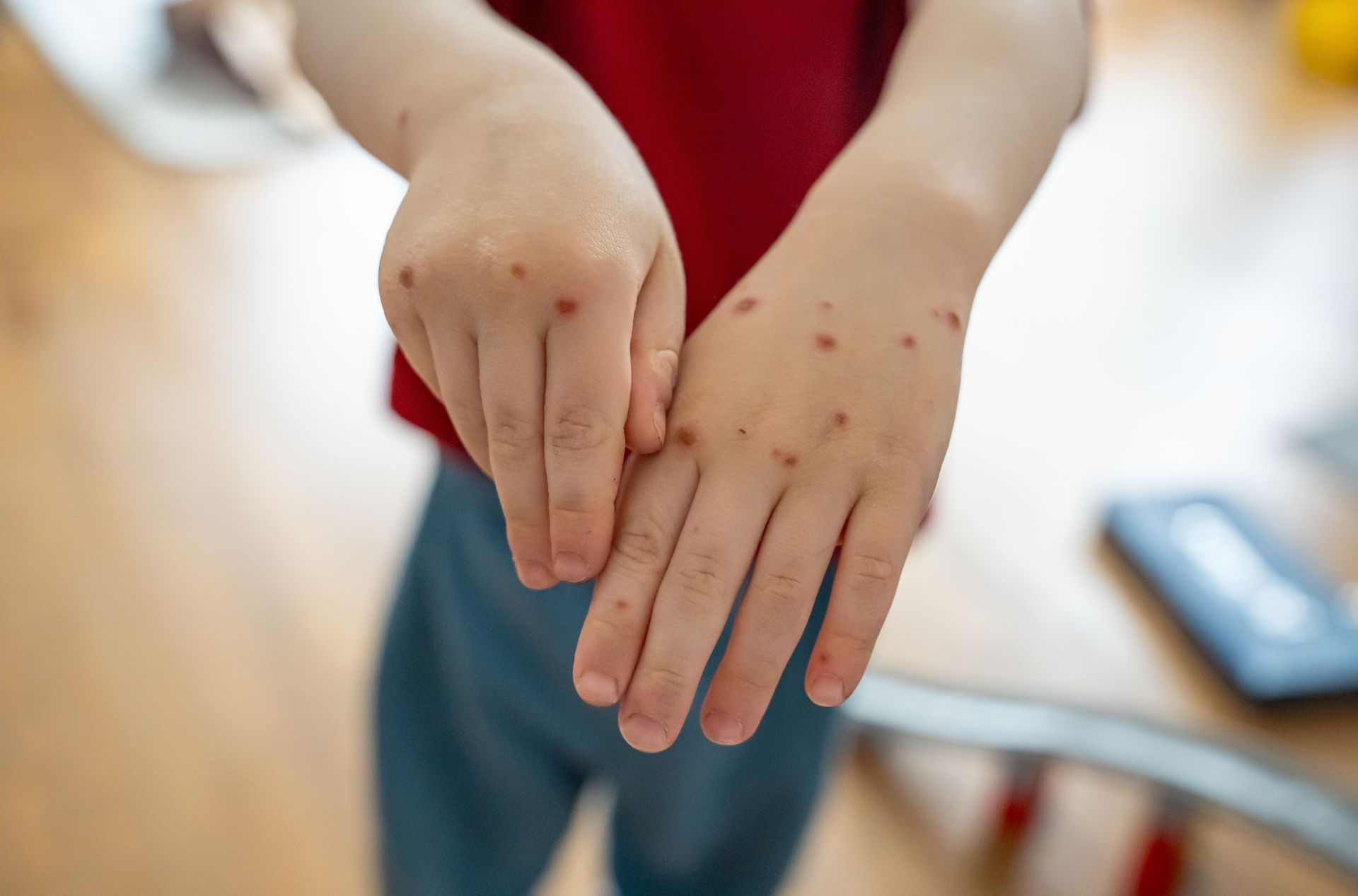
At Pine Belt Dermatology & Skin Cancer Center , we recognize that children may face different skin issues as they grow. Some conditions are temporary and manageable with basic skincare, while others require expert assessment. Recognizing common skin conditions helps parents and caregivers determine when to consult a dermatologist. Understanding your child’s skin health, including conditions like eczema, acne, warts, and rashes, is essential for their comfort and confidence. Common Skin Conditions in Children Children may develop many of the same skin conditions as adults, though their symptoms and treatment needs often differ. Common pediatric skin conditions include: Eczema: Often causes dry, itchy, red, or irritated patches of skin. Eczema can flare up because of weather, irritants, allergies, or other triggers. Acne: As children enter puberty, hormonal changes may lead to clogged pores, blackheads, whiteheads, and pimples. Warts: Caused by a viral infection, warts are common in children and often appear on the hands, fingers, feet, or around the nails. Molluscum contagiosum: This common childhood skin infection can cause small, raised bumps that may spread through skin-to-skin contact. Rashes: Children may develop rashes from allergies, infections, insect bites, medications, or contact with irritating substances. Birthmarks: Many birthmarks are harmless, but a medical professional should evaluate any changes in their appearance. While most childhood skin conditions are not serious, a medical professional should evaluate persistent or changing symptoms. When Should Your Child See a Dermatologist? Parents ought to schedule a dermatology appointment if a skin concern does not improve with basic care or begins to affect a child’s daily life. A dermatologist may be recommended if your child experiences: A persistent rash, itching, or skin irritation Eczema that frequently flares or does not respond to basic skincare Moderate or severe acne, particularly if it is painful or causing scarring Warts or other growths that continue to spread or return Skin infections that require treatment A changing, bleeding, or unusual mole or birthmark A skin condition that causes discomfort, embarrassment, or affects your child’s confidence A recurring skin problem without an obvious cause Early evaluation helps decipher the underlying cause and secures timely, appropriate treatment. Why Pediatric Dermatology Matters Children’s skin differs from adult skin and is often extra sensitive to certain products and treatments. Using inappropriate medications or skincare products may worsen irritation. A dermatologist can evaluate your child’s symptoms, determine whether a condition requires treatment, and recommend options appropriate for their age and skin type. Specialist support can also help parents understand how to handle chronic conditions and reduce future flare-ups. Supporting Healthy Skin at Home Consistent daily skincare helps protect your child’s skin. Use gentle, fragrance-free products, moisturize regularly, avoid known irritants, and encourage children not to scratch irritated areas to maintain a healthy skin barrier. However, home care may not always be sufficient. If symptoms persist, worsen, or cause significant discomfort, seek expert evaluation for guidance and reassurance. Healthy Skin Starts Early Many childhood skin conditions are manageable when identified early. Knowing when to seek professional care for eczema, acne, warts, recurring rashes, or other concerns can make a big difference. At Pine Belt Dermatology & Skin Cancer Center , we provide comprehensive dermatology care for patients of all ages. If your child has a persistent, changing, or concerning skin condition, our team can identify the cause and develop a treatment plan to support healthy skin.

At Pine Belt Dermatology & Skin Cancer Center , we understand that selecting the right skincare products can be challenging. While many over-the-counter (OTC) options promise results, not all skin concerns can be addressed with these products. Knowing the difference between OTC and prescription treatments helps you make educated decisions and recognize when to seek professional care. If you are treating acne, eczema, rosacea, or signs of aging, upgrading your treatment plan at the right time can improve your skin health and confidence. Understanding Over-the-Counter Skin Treatments Over-the-counter skincare products are available without a prescription and are intended for mild to moderate skin concerns. When used consistently, many contain ingredients that help maintain healthy skin. Common OTC ingredients include: Salicylic acid for acne Benzoyl peroxide to reduce acne-causing bacteria Retinol for fine lines and uneven texture Hydrocortisone cream for minor itching and irritation Moisturizers with ceramides or hyaluronic acid to heal the skin barrier These products are a good starting point for mild conditions. However, because OTC treatments use lower-strength active ingredients, they may not be effective for chronic or serious skin issues. When Prescription Skin Treatments May Be Necessary Prescription treatments use stronger active ingredients and are customized to your specific skin condition. A dermatologist can diagnose the underlying cause and recommend medications that address the problem more effectively than OTC products. Prescription treatments may include: Oral medications for moderate to severe acne Prescription-strength retinoids Medications to manage eczema or psoriasis Treatments for rosacea and chronic redne Prescription creams for hyperpigmentation or melasma Antifungal or antibacterial medications for skin infections These therapies are chosen based on your medical history, skin type, and treatment goals to maximize results and minimize side effects. Time to Upgrade Your Treatment While many start with OTC products, some situations require a dermatology appointment. Consider seeing a dermatologist if: Your skin condition has not improved after several weeks of steady OTC treatment. Acne is causing painful cysts, nodules, or permanent scarring. Rashes, redness, or irritation continue to worsen. You experience frequent flare-ups of eczema, psoriasis, or rosacea. You notice new or changing skin growths or unusual spots. Your skin concern is affecting your confidence or quality of life. Early treatment has the potential to prevent conditions from getting worse and minimize the chances of long-term skin damage. Why Professional Assessment Matters Many skin conditions look similar, making self-diagnosis challenging. For example, stubborn acne may be rosacea, and chronic dry patches could indicate eczema, psoriasis, or another condition. A board-certified dermatologist can accurately diagnose your skin concern and develop a customized treatment plan. Professional guidance also helps you avoid spending time and money on ineffective products. Healthy Skin Starts with the Right Treatment Over-the-counter products are important for daily skincare, but they may not treat complex or persistent concerns. Transitioning to prescription treatment at the right time can greatly improve your skin’s appearance and long-term health. At Pine Belt Dermatology & Skin Cancer Center , our team offers complete evaluations and customized treatment plans for acne, eczema, rosacea, hyperpigmentation, skin cancer screenings, and other skin conditions. If your current skincare routine is not resulting in success, we are here to help you achieve healthier, more confident skin.

At Pine Belt Dermatology & Skin Cancer Center, we believe education is key to protecting and maintaining healthy skin. July is significant for skin health, featuring both UV Safety Awareness Month and World Skin Health Day on July 8 . These occasions highlight the importance of sun protection and raise awareness of common concerns, such as hyperpigmentation and melasma . Understanding how ultraviolet (UV) exposure affects your skin helps prevent long-term damage and supports a healthier, more even complexion. Why UV Protection Matters The sun emits ultraviolet rays that can damage skin even on cloudy days. While many associate UV exposure with sunburn, its effects are broader. Repeated UV exposure accelerates skin aging, increases skin cancer risk, and contributes to pigmentation disorders. Common effects of excessive UV exposure include: • Sunburn and skin irritation • Premature aging, including fine lines and wrinkles • Dark spots and uneven skin tone • Increased risk of skin cancer • Worsening of hyperpigmentation and melasma Daily sun protection is one of the most effective ways to maintain healthy skin and reduce preventable damage. What Is Hyperpigmentation? Hyperpigmentation is a common condition where areas of skin become darker than the surrounding tissue due to excess melanin production. Multiple factors can contribute to hyperpigmentation, including: • Sun exposure • Acne scars and inflammation • Hormonal changes • Skin injuries or irritation • Certain medications While hyperpigmentation is mostly harmless, many seek treatment to improve skin tone as well as restore confidence. Understanding Melasma Melasma is a type of hyperpigmentation that shows up as brown or gray-brown patches, typically on the cheeks, forehead, nose, and upper lip. Melasma is frequently associated with: • Hormone changes during pregnancy • Birth control medications • Hormone replacement therapy • Genetic predisposition • Sun exposure Although melasma is not dangerous, it can be difficult to treat because UV exposure frequently triggers or worsens it. Even minimal sun exposure can increase pigment production and make discoloration more noticeable. Protecting Your Skin from UV Damage Whether you are concerned about skin cancer, hyperpigmentation, or melasma, daily sun protection is essential. Dermatologists suggest: • Using sun lotion with SPF 30 or higher every day • Reapplying sunscreen every two hours when outdoors • Wearing wide-brimmed hats and protective clothing • Seeking shade during peak sunlight hours • Wearing UV-protective sunglasses • Avoiding tanning beds Consistent sun protection helps prevent new pigmentation issues. World Skin Health Day: A Reminder to Prioritize Skin Care Observed annually on July 8, World Skin Health Day encourages preventive steps to maintain healthy skin. This is a reminder to perform regular self-exams, schedule dermatology visits, and address concerns early. If you notice persistent dark spots, changes in pigmentation, or new skin lesions, seek an expert assessment to determine the cause and identify treatment options. Supporting Healthy Skin Year-Round UV Safety Awareness Month and World Skin Health Day remind us that protecting your skin is an investment in long-term health. Practicing sun safety and understanding conditions like hyperpigmentation and melasma help preserve your skin’s health, appearance, and function. At Pine Belt Dermatology & Skin Cancer Center, our team provides personalized evaluations and treatments for pigmentation concerns, sun-damaged skin, and overall skin health. Plan a visit and learn how we can help you achieve healthier, more confident skin.

At Pine Belt Dermatology & Skin Cancer Center, we understand that your skin’s needs change with the seasons. What works during the cold, dry winter months may not...

At Pine Belt Dermatology & Skin Cancer Center, we believe your nails are more than a cosmetic feature—they give valuable insight into...

When a ‘Rash’ Might Be Something More Serious At Pine Belt Dermatology & Skin Cancer Center, we recognize that rashes are common and frequently resolve quickly with minimal treatment. However, some rashes may signify underlying conditions that require prompt medical attention. Identifying when a rash is more than a minor irritation is key to protecting your health. Comprehending Common vs. Concerning Rashes Most everyday rashes result from irritants, allergies, heat, or minor infections and typically improve within a few days with over-the-counter treatments. However, if a rash lasts longer, worsens, or appears with other symptoms, it may signal a more serious issue. Identifying the difference between a routine rash and one that requires medical evaluation helps avoid complications and ensure appropriate care. Warning Signs to Watch For Certain features may indicate a rash requires clinical assessment, including: Rapidly spreading or worsening rash Severe pain, swelling, or blistering Signs of infection such as pus, warmth, or red streaks Fever or flu-like symptoms accompanying the rash A rash that does not improve after several days of treatment Dark, purple, or bruised-looking areas on the skin For example, a rash with fever may indicate a viral or bacterial infection, whereas painful blistering can suggest conditions such as shingles. In rare cases, rashes may signal autoimmune disorders or severe allergic reactions. Rashes That May Point to Underlying Conditions Some rashes may be linked to broader health concerns, including conditions that cause inflammation in the skin and other organs: Allergic reactions that may escalate into further severe responses Infections that spread beyond the skin if untreated Medication reactions that require immediate adjustment Persistent or unusual skin changes may be early signs of skin cancer or precancerous conditions, especially if they do not heal or continue to change over time. Why Early Evaluation Matters Delaying care for a worrisome rash may allow the underlying condition to progress. Early diagnosis improves treatment outcomes and helps prevent discomfort and complications. A dermatology specialist can assess the rash’s appearance, location, and progression, and may recommend diagnostic tests if needed. This approach assures treatment addresses the underlying cause, not just the visible symptoms. When to See a Dermatology Specialist If you are unsure about your rash, it is best to err on the side of caution. Consider seeking care if: The rash is persistent, painful, or unusual in appearance Over-the-counter treatments are not effective You experience additional symptoms such as fever or fatigue The rash interferes with your daily comfort or quality of life At Pine Belt Dermatology & Skin Cancer Center, our experienced providers supply comprehensive skin evaluations and customized treatment plans. We take time to understand your symptoms and deliver clear, effective solutions tailored to your needs. Protecting Your Skin and Your Health While many rashes are minor, some may be early warning signs of more serious health concerns. Monitoring skin changes and pursuing prompt medical advice can produce a notable effect. If you notice a rash that does not seem right, do not ignore it. Schedule a consultation with Pine Belt Dermatology & Skin Cancer Center for expert evaluation and peace of mind. Your skin is an important indicator of your overall health, and taking it seriously supports ongoing well-being.

At Pine Belt Dermatology & Skin Cancer Center, we know that healthy skin is affected by more than just external care—it’s related to your overall health...

Here’s how UV light therapy works, why it is useful for scalp psoriasis during winter, what to expect from treatment, and how to use it safely.

A truly effective skincare routine should be tailored to your needs, protect your natural barrier, and target concerns with proven ingredients.
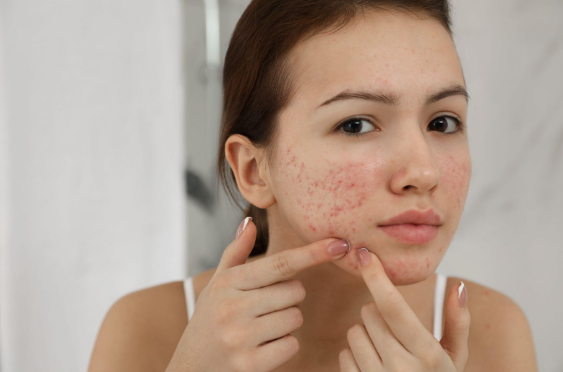
The cold, dry air outside combined with indoor heating can strip away your skin’s natural moisture, leaving it tight, flaky, and more vulnerable to irritation.